







Enhancing Plastics Manufacturing Through Industrial Automation
 Story by:
Jimmy Bell
Story by:
Jimmy Bell
In the realm of plastics manufacturing, efficiency, precision, and scalability are paramount. With the integration of industrial automation, companies are achieving these goals, revolutionizing how plastic products are produced. A key component in this technological advancement is the servo drive controller, which plays a crucial role in enhancing the functionality and efficiency of automated systems. This article explores the impact of industrial automation on plastics manufacturing, focusing on the benefits, challenges, and the indispensable role of servo drive controllers.
Overview of Plastics Manufacturing
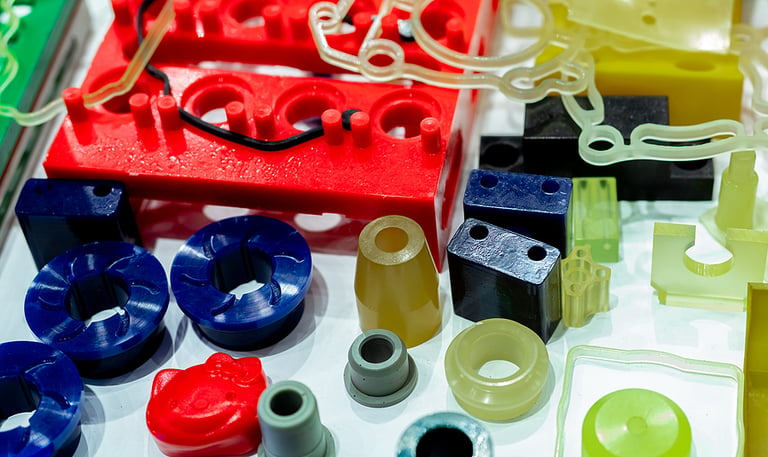
Plastics manufacturing involves several key processes, from the initial compounding of raw materials to the final stages of molding, extrusion, and finishing. The material’s versatility allows for the production of a vast range of products, including packaging, automotive parts, consumer goods, and construction materials. Automation within these processes not only improves efficiency but also ensures consistency and quality across all products.
Key Processes in Automated Plastics Manufacturing
- Compounding and Resin Handling: Automation begins at the very start of the plastics manufacturing process. Automated systems handle the weighing, mixing, and delivery of raw plastic resins and additives. These systems ensure precise measurements and proper mixing ratios, critical for achieving the desired material properties.
- Extrusion: In the extrusion process, plastic material is melted and formed into a continuous profile. Servo drive controllers are extensively used here to regulate the speed and torque of the extruder screw, ensuring a consistent material flow rate and pressure. This precise control is crucial for maintaining the uniformity of the extruded products.
- Injection Molding: Perhaps the most significant use of automation in plastics manufacturing is found in injection molding. Servo drive controllers manage the movements of the injection molding machines, controlling the injection speed, pressure, and the accurate positioning of molds. This level of control is essential for producing complex plastic parts with high precision.
- Blow Molding: Similar to injection molding, blow molding machines benefit from automation. Servo drives help in managing the parison – the tube-like piece of plastic with a hole in one end through which air can pass. Control over air pressure and molding speed affects the wall thickness and uniformity of hollow plastic products like bottles.
- Finishing Processes: Post-molding operations such as trimming, painting, and assembly are also automated. Robots equipped with servo drives perform tasks requiring high precision and repeatability, reducing the strain on human workers and minimizing errors.
Benefits of Industrial Automation in Plastics Manufacturing
- Enhanced Efficiency and Productivity: Automation allows for the continuous operation of production lines with minimal downtime. This is crucial in an industry that often operates 24/7 to meet large production volumes.
- Improved Quality and Consistency: With servo drive controllers, such as DKC02.2-100-7-FW, ensuring precise control over machinery, manufacturers can produce parts with consistent quality. This reduces waste and the need for rework, which are important for maintaining profitability in a competitive market.
- Scalability and Flexibility: Automated systems can be quickly adapted to new production requirements or changes in product design. This flexibility allows manufacturers to respond swiftly to market changes without significant disruptions.
- Safety and Ergonomics: Automation reduces the need for human workers to engage in potentially hazardous tasks or those involving repetitive motion. This not only improves workplace safety but also enhances overall job satisfaction.
Challenges of Automation in Plastics Manufacturing
- High Initial Costs: The upfront investment in automated machinery and control systems, including high-quality servo drive controllers, can be substantial. This may pose a barrier for smaller manufacturers or those with limited capital.
- Technical Complexity: Implementing and maintaining sophisticated automation systems requires a skilled workforce. Manufacturers must invest in training and development to ensure their staff can effectively manage and troubleshoot these systems.
- Integration Issues: Integrating new automated systems with existing equipment can be challenging, especially in older facilities. Ensuring compatibility and minimizing disruption during the integration process requires careful planning and execution.
Future Trends
The future of plastics manufacturing will likely see an increased integration of AI and machine learning with existing automation technologies. These advancements could enable smarter production systems that can predict maintenance needs, optimize production schedules based on real-time demand, and further reduce material waste.
Conclusion
Industrial automation, spearheaded by technologies like servo drive controllers, is transforming the plastics manufacturing industry. While there are challenges to its adoption, the benefits—ranging from increased efficiency and product quality to enhanced safety—are driving more companies to embrace these technologies. As the industry continues to evolve, staying at the forefront of automation technology will be crucial for those looking to lead in the competitive and ever-changing market of plastics manufacturing.
Image Source: BigStockPhoto.com (Licensed)





Share options
Share this content with others