







Why Giant Building Blocks Keep Showing Up in Modern Design
 Story by:
Marc Ikbal
Story by:
Marc Ikbal
The oversized building blocks are changing the way playgrounds are built; they are also emerging as an unexpected element in contemporary architecture and design. These massive interlocking blocks are contributing to the development of flexible environments that can be quickly erected, reconfigured, and repurposed, much like the building blocks of the most sophisticated manufacturing and even space habitats. They are not just a fad; they are becoming more popular. As one of the current challenges in modern construction is developing a space that can be used and changed with different needs, architects and designers are looking at oversized building blocks as a possible solution. Even if it’s in bold public art projects, innovative interior design, or experimental structures, these huge modules demonstrate the power of basic engineering principles to transform the way people construct, work, and engage with their environment.
Cities and technologies are constantly changing; oversized building blocks are an interesting evolution towards a more intelligent and versatile design: one of the most basic ideas in the world can create the most amazing spaces. The United States is the subject of this article, since giant building blocks are now being used in landscape design, interior design, and installations, providing designers with new means of repetition and structure. Even if you enjoy a terrace accented by geometric forms or admire bold event spaces, the modular style is hard to ignore. With their clear shapes and scalable formats, these building elements have become a staple for those who value both innovation and efficiency. The influence of concrete lego block moulds can be seen in many of today’s most inventive uses of space, seamlessly blending playfulness and practicality. The concepts and materials described here are generally permitted for lawful use in at least some U.S. states, though specific local regulations may vary.
How Modular Blocks are Designed and Standardized
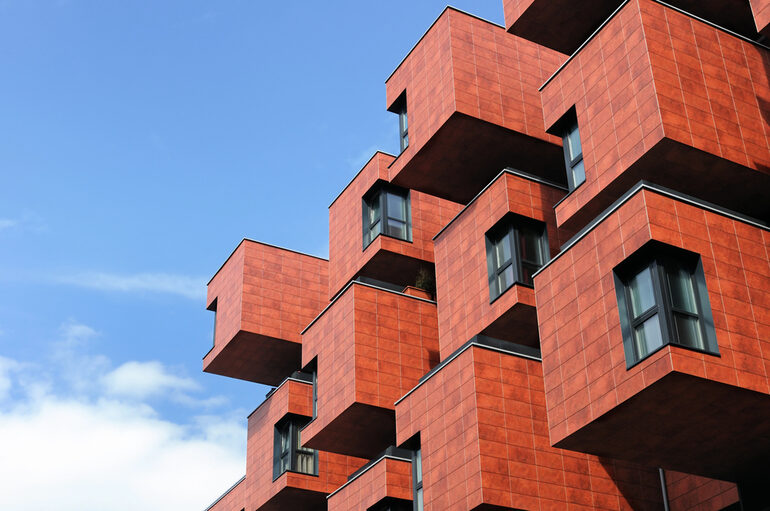
In modern design, a giant building block often refers to a large, repeatable unit created to stack, lock, or align precisely with its neighbors. These parts rely on consistent dimensions, allowing for reliable connections and straightforward assembly when planning a project. Geometry plays a critical role in how these blocks function. Clean corners, uniform tolerances, and repeatable profiles ensure every element lines up as intended, minimizing layout errors and reducing construction waste.
Why the Approach Appeals to Contemporary Designers
Modular systems optimize the creative process and construction. The repetition of one single element helps to make the design easier to visualize, adjust, and scale to any context or footprint. There’s also a practical benefit. Installing identical units can accelerate projects, simplify logistics, and make future modifications less disruptive. For example, tetrapods concrete can be swapped out or rearranged with minimal downtime or cost if one unit needs replacement.
Diverse Scenarios where Giant Blocks make a Mark
These large modular blocks can be used to create everything from high walls and wide terraces to large-scale landscape projects where strength and speed are paramount. Their interlocking design also makes them a perfect choice for temporary installations, exhibition spaces, disaster response, and striking public displays that can be set up and taken down in an instant compared to traditional construction methods.
It’s an incredible case study in how a straightforward approach to a modular solution is helping engineers and designers address major building challenges with greater efficiency and flexibility. These principles are increasingly valued by modern organizations seeking adaptable, future-ready spaces. Inside, the furniture and partitions are inspired by blocks, creating a playful visual rhythm while allowing flexibility to accommodate diverse requirements. This reuse and adaptability extend the lifespan of the space compared to traditional, fixed elements.
What you Gain, and give up, with Modular Thinking
The benefits of using giant building blocks include predictable dimensions, easier layouts, and simpler maintenance routines. Because each module follows the same pattern, parts can be replaced individually rather than rebuilding whole sections. Again, there are factors to take into account, such as block weight, transport requirements, and site preparation requirements. Safety and stability are important factors, and if the design is more complex or load-bearing, drainage and engineering skills are needed. The trend toward larger building blocks is really a much greater movement in engineering and architecture towards modular systems that can accommodate the changing world.
From space habitat concepts to disaster-relief shelters to futuristic urban developments, the same design thinking has an impact on all. Even if it’s space habitat concepts, futuristic urban developments, or disaster-relief shelters, interchangeable components make construction faster, smarter, and more resilient. These monumental modular structures are not static but flexible and reusable, illustrating in a dramatic way that adaptability and reusability are transforming design. In many ways, they are building the future, proving that even a simple construction concept can evolve into an extraordinary solution for tomorrow’s challenges.





Comments 0
No Readers' Pick yet.