







A Beginner’s Guide: What Is An Electric Rooflight?
 Story by:
Jimmy Bell
Story by:
Jimmy Bell
Electric rooflights are one of the most exciting additions to modern construction and architecture. They’re a fantastic solution for enhancing both aesthetics and functionality in any building, offering a sleek way to bring natural light into spaces that might otherwise feel dark and closed-off.
So, what exactly is an electric rooflight, and why should it be on your radar?
What Is an Electric Rooflight?
At its core, an electric rooflight is essentially a window built into a roof, but with added technology. The electric part? That’s where things get interesting. These rooflights come equipped with motorised mechanisms, allowing them to be opened and closed at the push of a button. Whether it’s for ventilation, access, or simply more sunlight, electric rooflights offer all the benefits of a traditional rooflight, with the convenience of automated control.
The idea is simple but impactful: roof access and enhanced lighting with minimal effort. Whether for flat roofs, pitched roofs, or anything in between, they offer versatility that can adapt to various types of projects.
Different Types of Electric Rooflights
Not all electric rooflights are the same, and understanding the different types can help you decide which one fits your needs best. Here’s a breakdown of the most common styles:
1. Flat Rooflights
These are perfect for modern flat-roofed buildings or extensions. Flat rooflights often feature sleek, minimalist designs that blend seamlessly into the roof structure. They’re ideal for spaces where you want a continuous flow of light without interruptions from bulky frames.
2. Pitched Rooflights
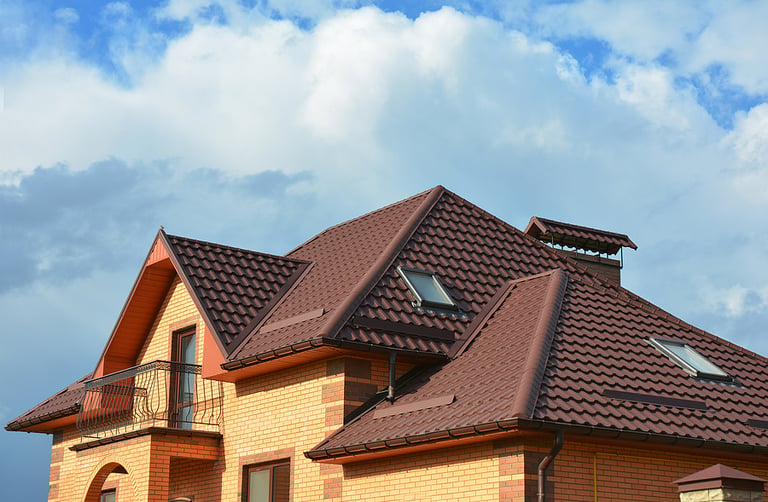
If you’re working with a sloped or pitched roof, these are your go-to. Pitched rooflights come in a variety of shapes and sizes, allowing you to incorporate natural light into even the most angled spaces. They also offer excellent water runoff, which is critical for maintaining the integrity of the roof over time.
3. Access Rooflights
These rooflights serve a dual purpose: not only do they let in light, but they also provide roof access. Whether it’s for maintenance or emergency access, this type of rooflight opens wide enough for a person to pass through easily. It’s an excellent choice for buildings where rooftop access is necessary but needs to be aesthetically pleasing as well.
4. Walk-On Rooflights
Want something that’s durable enough to walk on? Walk-on rooflights are designed to be strong enough to handle foot traffic, making them perfect for roof terraces or outdoor spaces where you want to bring light through but still maintain usability. Think of them as a sleek way to combine function with design.
5. Ventilation Rooflights
These are specifically designed with ventilation in mind. While all electric rooflights can typically open to some extent, ventilation rooflights are made to enhance airflow, making them ideal for spaces like kitchens or bathrooms where extra ventilation is crucial.
Why Consider Electric Rooflights?
Here’s why they’re worth the investment:
- Convenience – With electric operation, rooflights can be opened and closed effortlessly. No need to manually crank a handle or climb up to access the roof; a simple button press is all it takes.
- Energy Efficiency – By bringing in more natural light, electric rooflights can reduce the need for artificial lighting during the day, helping to lower energy costs. Plus, improved ventilation can lessen the need for air conditioning.
- Safety – Electric rooflights can be programmed with rain sensors, so they automatically close when it starts to rain, preventing any potential water damage. This feature adds an extra layer of safety and protection to the building.
- Aesthetics – Modern designs of electric rooflights enhance the overall look of any building. Clean lines, minimalistic frames, and expansive glass surfaces can give a space a contemporary feel, adding value to the project.
- Ease of Maintenance – Certain models come with self-cleaning glass, which is a big win when it comes to maintenance. You can also choose rooflights that are easy to access, making routine maintenance tasks quicker and safer.
Installation and Building Considerations
Installing an electric rooflight isn’t just a matter of cutting a hole in the roof and dropping one in. There are a few things to keep in mind during the planning and installation stages.
Structural Integrity
First and foremost, consider the structural integrity of the roof. Electric rooflights can be heavy, particularly larger ones, and they need to be properly supported. You’ll need to work closely with structural engineers and follow building regulations to ensure everything is up to code.
Insulation and Sealing
Proper insulation and sealing around the rooflight are crucial to prevent heat loss and leaks. Any gaps or poor sealing can lead to issues with water ingress, drafts, or energy inefficiency, so it’s essential to get this part right from the start.
Wiring and Controls
Since electric rooflights operate on power, you’ll need to plan for electrical wiring during the installation process. This can include integration with home automation systems or simple wall-mounted controls, depending on the project’s requirements. Make sure your electricians are involved early on in the planning process to avoid any surprises.
Building Regulations
Don’t forget about building regulations and planning permissions. Depending on the type of building, location, and the size of the rooflight, you might need to get specific permissions before starting the installation. Always check with local authorities before proceeding to avoid any setbacks.
The Future of Rooflights: Smart Technology
Rooflights are no longer just about letting in sunlight—they’re becoming a part of the smart home revolution. Many modern electric rooflights now integrate with smart home systems, allowing for voice control or automation based on weather conditions or time of day. The future looks bright (literally) with the potential for more advanced features such as solar-powered models or rooflights that automatically adjust their tint to control the amount of light and heat entering the building.
Bringing It All Together
Electric rooflights are more than just a design feature—they’re a smart, practical addition to any building.
Whether you’re working on a contemporary home extension, a commercial building, or a renovation, electric rooflights can enhance the functionality and style of your project.
Image Source: BigStockPhoto.com (Licensed)




Share options
Share this content with others