








Shifting Gears: The Strategic Move From Offshoring to Onshoring in Production
 Story by:
Marc Ikbal
Story by:
Marc Ikbal
In today’s fast-changing world of business, many companies are rethinking how and where they make their products. A big change we see now is the move from offshoring to onshoring.
This shift has many benefits. Companies can have better control over their supply chains, make higher-quality products, and even create more local jobs. To keep up in a market that changes quickly, many businesses see onshoring as a smart way to improve their operations while also helping the local economy.
This article will show how moving from offshoring to onshoring helps businesses work more efficiently and support local growth.
Understanding Offshoring and Its Challenges
Offshoring refers to the practice of relocating business processes and production to a country where labor costs are lower. While this strategy can yield immediate cost savings, it often comes with inherent challenges. These can include
- communication barriers
- quality control issues
- complexities of managing overseas operations
Moreover, unexpected global events, such as the pandemic, have exposed vulnerabilities in offshoring. This leads companies to rethink their supply chain dependencies.
The Downsides of Moving Work Overseas
Many CEOs believe that sending production to other countries (offshoring) can cause problems for their businesses. Some of the biggest issues include longer waiting times for products to arrive and higher shipping costs. This also means less control over product quality.
It also becomes harder to respond quickly when the market changes. Managing the supply chain gets more complicated.
Because of these problems, more businesses are starting to carefully think about where they make their products. This has led to growing interest in keeping production closer to home. This is a practice called onshoring.
The Hidden Costs of Offshoring
To understand why many businesses are now moving back to onshoring, we need to look at why they chose offshoring in the first place. At first, companies moved their work to other countries because labor was cheaper. This helped them save money and earn bigger profits.
But over time, this plan has started to cause problems. Wages in those countries are rising. This means the savings aren’t as big as before.
On top of that, shipping takes longer, customs can be complicated, and global supply chain issues have made things worse. Because of these challenges, offshoring is not as cost-effective as it used to be.
The Rise of Onshoring
Onshoring means bringing production back to the company’s home country instead of making products overseas. Many businesses are starting to do this so they can have more control and work more efficiently. By moving production closer to customers, companies can deliver products faster and save time on shipping.
Local governments also give rewards or incentives to support businesses that choose onshoring. Plus, it helps the environment since products don’t need to travel as far. Because of this, more companies are choosing to invest in American manufacturing.
Benefits of Onshoring
Moving production back home, also called onshoring, can bring many benefits to businesses. One big advantage is a stronger and more reliable supply chain. Since suppliers and customers are closer, it’s easier to work together and avoid delays.
Another benefit is better control over product quality. With production nearby, businesses can check their products more often. They can make sure they meet high standards.
Onshoring also helps companies get products to the market faster. This is because shipping and waiting times are shorter.
While paying workers at home may cost more, businesses can save money by cutting down on shipping and other extra expenses. On top of that, onshoring helps the local economy by creating jobs and supporting local industries.
American Manufacturing Revival
Another prime example is the recent surge in American manufacturing. Many companies that once moved their work overseas are now investing in factories at home. Since early 2020, more manufacturing jobs have been added in the United States.
By bringing production back, these companies are making their supply chains safer. It also helps American manufacturing grow again.
Challenges of Onshoring
Despite the advantages, onshoring is not without its obstacles. Companies must consider the higher initial costs associated with setting up local operations.
Additionally, the availability of skilled labor can vary from region to region. This impacts a company’s ability to scale production effectively.
Furthermore, firms should analyze their existing supplier relationships and ensure that the transition does not disrupt their overall business model.
Strategies for Successful Onshoring
To handle the challenges of moving production back home, businesses need to plan carefully. First, they should study the market to understand local labor and costs. This helps them make smart decisions about where and how to produce.
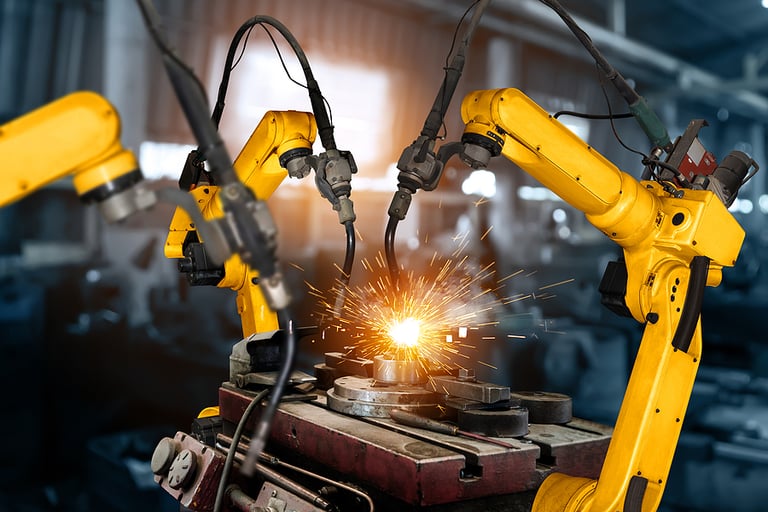
Investing in new technology, such as automation and modern machines, can also make production faster and more efficient. Working closely with local suppliers is another important step. This builds strong relationships and keeps operations running smoothly.
Training workers is key, too. When employees learn new skills, they can do their jobs better and more efficiently.
Finally, businesses should regularly check how their onshore operations are doing. This way, they can spot problems early and make improvements.
The Future of Onshoring
As businesses adapt to life after the pandemic, more of them are choosing to bring production back home. Thanks to new technology like automation and AI. It makes products is now faster and easier.
Companies are also paying more attention to protecting the environment and using fair practices. This helps local industries grow stronger and provide more opportunities for people in their own communities.
How It Affects Trade Around the World
This shift could reshape global trade dynamics. Countries traditionally reliant on offshoring could face challenges as companies adapt their strategies to favor proximity over cost.
It may foster a more localized economy. This prompts nations to reassess their trade policies and workforce development strategies.
Embracing the Transition to Onshoring
Moving production from other countries back home gives businesses a chance to work better and support local communities. When companies make products close by, they can build stronger supply chains and help the economy grow. This also brings new energy to American manufacturing.
As more companies decide where to make their products, onshoring will play an important role in the future. It will change the way goods are made and delivered to people.
For more business solutions tips, check out our blog posts.
Image Source: BigStockPhoto.com (Licensed)





Share options
Share this content with others