





Illusion of Control: Why We Believe We Can Manage Randomness
 Story by:
Jimmy Bell
Story by:
Jimmy Bell
Illusion of Control: Why We Believe We Can Manage Randomness
Online gambling draws millions of players across Europe, including a steadily growing audience in France that enjoys digital entertainment built on chance, strategy, and quick decision-making. Whether someone favors slot machines, live dealer games, or sports wagering, one psychological pattern consistently emerges: the belief that personal skill or intuition can shape outcomes that are fundamentally random.
Understanding the illusion of control is important for anyone using platforms such as the Savaspin Casino sportsbook, slots, and betting games, because awareness supports more balanced and informed choices.
What Is the Illusion of Control?
The illusion of control is a cognitive bias first examined in behavioral psychology. It refers to the tendency to overestimate our influence over events that are largely—or entirely—driven by chance.
In gambling environments, this bias often appears when players believe:
- A specific ritual improves results
- A “lucky” time of day increases the odds of winning
- Recent wins indicate a predictable trend
- Personal intuition can foresee random outcomes
In reality, properly regulated online slot machines operate using Random Number Generators (RNGs). Each spin is statistically independent from the one before it. The same principle applies to many digital betting formats, where probability—not personal intervention—determines the result.
The illusion feels persuasive because the human brain is wired to detect patterns, even when none exist.
Why the Brain Searches for Patterns in Random Events
From an evolutionary standpoint, pattern recognition helped humans survive. Noticing regularities in the environment—weather shifts, animal movement, seasonal changes—offered a real advantage.
But that strength becomes a liability when applied to randomness.
When a player notices:
- Three similar symbols nearly lining up on a slot reel
- A near-miss outcome in a game
- A sequence of alternating wins and losses
The brain interprets these as meaningful signals. Neurological research shows that “near wins” can activate reward pathways similar to actual wins. The anticipation of a possible reward triggers dopamine release, reinforcing engagement and strengthening the sense that control is within reach.
That’s why a player may feel that adjusting bet size, timing, or selection strategy is influencing outcomes—even when the system remains purely probabilistic.
How the Illusion of Control Shows Up in Online Slots and Sports Betting
Online gambling platforms amplify the illusion of control in different ways depending on the type of game. Slot machines and sports betting may appear fundamentally different, yet both can activate the same cognitive bias. The difference lies not in psychology, but in how probability is presented.
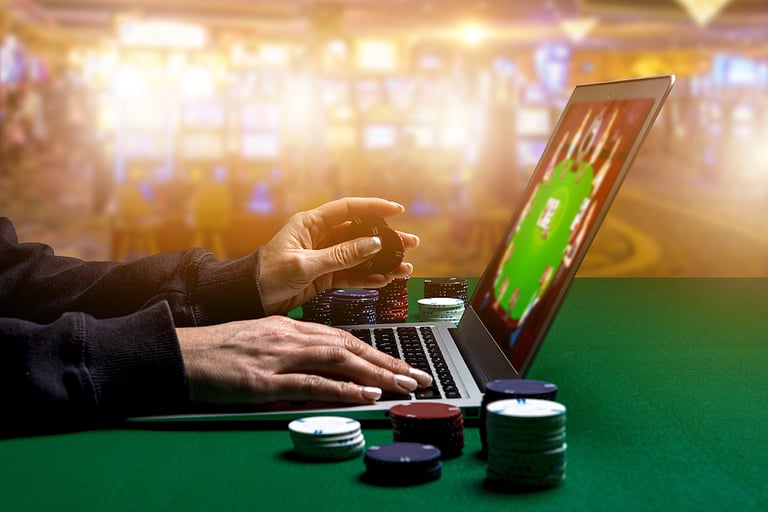
Slot Machines and Digital Games
In online slots, players often assume:
- Changing the bet amount affects payout timing
- Manually stopping the reels alters the result
- Switching games improves the odds
In practice, each spin’s outcome is determined the moment the spin begins. The interface may create a sense of agency, but the mathematical model behind the game remains unchanged.
This doesn’t mean slots lack entertainment value. It simply underscores what truly falls under player control: managing a bankroll, setting time limits, and choosing games intentionally.
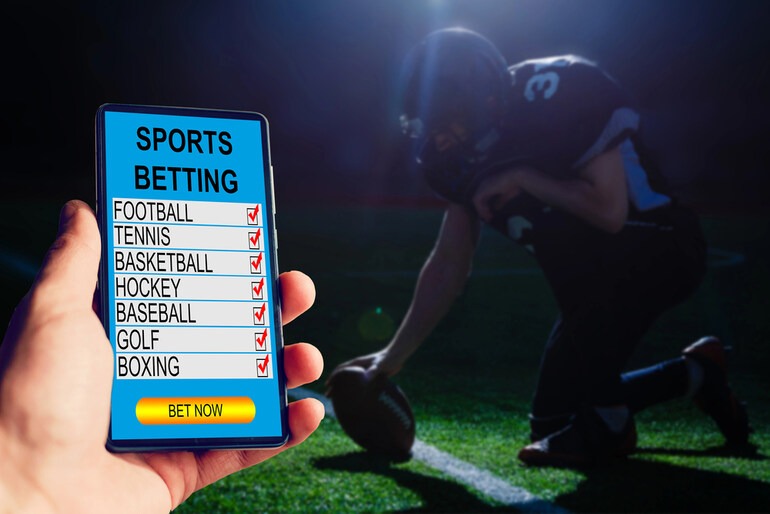
Sports Betting and Perceived Expertise
Sports wagering introduces another dimension. Unlike slots, sports outcomes involve real-world performance, which leaves room for analysis. Still, even well-informed predictions remain probabilistic.
Players may believe:
- A winning streak proves superior forecasting ability
- Insider-level insight guarantees consistent profits
- Emotional confidence equals predictive accuracy
While knowledge can improve the quality of decisions, uncertainty always remains. Weather conditions, referee calls, injuries, and unexpected events can dramatically influence results.
On platforms such as the Savaspin Casino betting section, which features sports events, slot machines, and promotional bonuses, the critical distinction is understanding where analysis ends and randomness begins.
The Role of Bonuses and Engagement Design
Modern online casinos use bonuses, loyalty programs, and promotional incentives to encourage continued play. Welcome offers, reload bonuses, and free spins create a sense of added value.
The illusion of control can shape how players respond to these offers. For example:
- Believing a bonus improves odds beyond its actual structure
- Assuming promotional timing aligns with “hot streaks”
- Increasing wager size because extra funds feel less risky
Bonuses are structured offers with defined terms, wagering requirements, and payout conditions. Understanding how they work helps reduce impulsive decisions and supports more rational play.
For those interested in exploring structured online casino games, sports betting markets, slot machines, and promotional bonuses, the official gaming and wagering platform is available at https://savaspin1.com, where clearly stated betting rules and game mechanics explain how outcomes are determined.
Real Control vs. Perceived Control
The illusion of control does not mean players lack influence. It simply means that influence exists in specific areas—not in generating outcomes.
What players can control:
- Budget allocation
- Time spent playing
- Selection of games with preferred volatility
- Reading and understanding bonus terms
- Emotional discipline
What players cannot control:
- The result of a random spin
- The outcome of a sporting event
- The statistical house edge built into game design
Recognizing this difference is empowering rather than discouraging. It reframes gambling from a belief-driven activity into a structured form of entertainment.
Why Awareness Matters for Long-Term Play
For many players in France and throughout Europe, online gambling is a recreational activity. Problems arise not from the games themselves, but from unrealistic expectations.
The illusion of control can lead to:
- Chasing losses
- Raising bets to “win it back”
- Overconfidence after short-term success
Awareness creates psychological distance. When players understand that randomness does not respond to confidence, frustration decreases and decision-making improves.
Balanced play means treating casino entertainment as probabilistic, not predictable.
A More Informed Perspective
The human mind gravitates toward certainty, patterns, and a sense of agency. Online gambling environments amplify these tendencies through design, interactivity, and reward anticipation.
The illusion of control is natural. It is not a flaw but a mental shortcut. The difference between responsible and problematic behavior lies in awareness.
When players approach online slots, sports events, and digital betting platforms with clarity about what is random and what can be managed, they gain genuine control—over strategy, spending, and expectations.
Ultimately, the most reliable advantage is not the ability to predict chance, but the ability to understand it.
Image Source: BigStockPhoto.com (Licensed)
Site Disclaimer
IncredibleThings.com is not a gambling operator or sports betting operator or a gambling site of any kind, and none of its affiliates or subsidiaries constitute gambling operators or sports betting operators. IncredibleThings.com does not offer or provide real currency gambling services of any kind.
IncredibleThings.com will hold no liability for the consequences of actions that occur at offshore casinos that accept players from the locations where online gambling is prohibited and/or restricted or if a visitor is below the legal gambling age. The content of this site is for entertainment and informational purposes only, and as such, we do not condone financial dealings with any of these sites. It is the sole responsibility of the person playing to ensure that their online casino play falls within the realm of local, state, and federal law. If you use a link that exists on our site to navigate to a third party casino, this is something that is done of your own free will and also at your own risk. You acknowledge and agree that IncredibleThings.com shall not be liable to you or any third party for any losses, damages, claims, suits, costs or expenses of any kind.





Share options
Share this content with others