






The Choices That Used to Feel Optional After a Fender Bender, and Why They Aren’t Anymore
 Story by:
Incredible Things Law and Attorneys
Story by:
Incredible Things Law and Attorneys
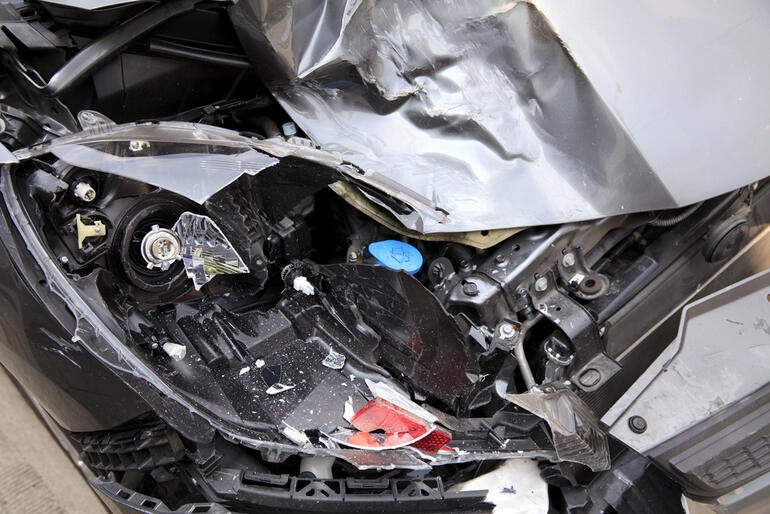
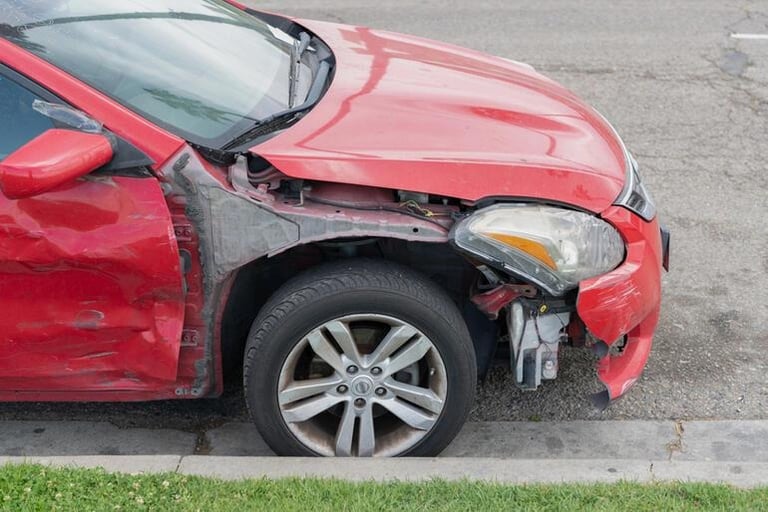
A generation ago, a low-speed crash was a paperwork problem. You swapped insurance cards, called your agent on Monday, and expected the body shop to handle the rest. That routine approach can overlook how much evidence and documentation may matter after a crash. From damage calculations to insurance review and repair estimates, it’s clear that the seemingly simple process of a fender bender can actually be quite complex. There were no cell phone cameras that captured the scene.
No dash cams were rolling, no telematics data was recording your braking style, and no adjuster was sitting at a screen making up the impact from a photo of your bumper. That world is gone. In our world today, the smallest of decisions you make in the first hour of the day or the first few days of the week are written down somewhere and recalled later when the money is at stake. According to NHTSA, in 2023, the number of police-reported crashes increased to 6.14 million, a 3.5% increase from the previous year, as more drivers are encountering this new reality without realizing the rules have changed. The choices made in the story below are the choices that determine the ending of the story.
Decide Even If to Call the Police at All
The old instinct was to skip the report if nobody looked hurt and the cars were drivable. That instinct is expensive now. Without an official report, you’re relying on the other driver’s memory and honesty a week later, after their story has drifted, and yours was never written down. Call it in. Even a brief responding-officer’s report gives ground for the facts: Where did the vehicles wind up, who did what, did anyone smell booze around the vehicles, did anyone bother to issue a citation? You have nothing to lose at the scene by having that document and can gain a settlement later.
Decide What to Say, and What to Leave Unsaid
Reflex apologies used to be forgotten by the time the tow truck arrived. Now they get quoted back to you. The other driver may be recording. The officer’s body camera almost certainly is. Anything you say about how you feel, how fast you were going, or how sorry you are becomes part of the file. You’re not being rude by keeping it short. Trade information, describe what happened factually to the officer, and stop there. Save the analysis for people whose job it is to protect your interests.
Decide When to Get Checked Out, Not If
The old logic was simple: if you can walk, you’re fine. The new logic is that soft-tissue injuries, concussions, and disc problems don’t announce themselves until the adrenaline wears off, sometimes two or three days later. And insurers now look hard at the gap between the crash and your first medical visit. A same-day or next-day visit does two things. It gets you diagnosed while it still matters, and it creates a medical record that ties the injury to the crash. Wait a week, and the adjuster will argue you hurt yourself doing something else. Wait a month, and they may be right.
Decide How to Handle the Other Driver’s Insurer
The friendly call from the other side’s adjuster is not a courtesy. It’s a fact-finding mission with a recorder running. A few common asks sound reasonable and are anything but:
- A recorded statement: You’re under no obligation to give one to the other driver’s insurer, and anything vague you say about your injuries can be used to cap your claim later.
- A blanket medical release: This lets them dig through years of unrelated records looking for a prior injury they can blame instead of the crash.
- A quick settlement: First offers arrive before your treatment is finished, which is exactly the point. Once you sign, later symptoms are your problem.
Even if you don’t feel like being rude, you can still keep your answer concise. Give basic facts, date, location, and vehicles involved, and keep short statements until you know what can be relevant and have all the facts. A cool, rational reaction can assist in keeping things clear as the facts are recorded and the following steps are determined.
Decide Even If This One Needs a Lawyer
Not every fender bender does. If the damage is cosmetic, you feel fine a week out, and the other insurer pays the repair without a fight, you’re done. Hire your time back. It’s a different call when any of these are in play: an injury that needs more than one doctor visit, a disputed fault story, an uninsured or underinsured driver, a commercial vehicle, or an adjuster who’s already lowballing.
In Pennsylvania, the tort option you picked on your policy (full or limited) also shapes what you can recover for pain and suffering, and most drivers don’t remember which one they chose. That’s the moment to bring in a Pennsylvania car accident attorney who can read your policy, your medical file, and the other side’s opening offer in the same afternoon.
Decide How Long You Actually Have
People used to assume they had “a while” to figure this out. The clock is shorter and stricter than most drivers realize. Pennsylvania law gives you two years from the date of the crash to file a personal injury lawsuit, and if a government vehicle is involved, the notice window is far shorter. Miss it, and the strongest case in the world gets dismissed on a technicality. Two years sounds like plenty. It isn’t, once you subtract the months of treatment, the back-and-forth with adjusters, and the investigation a lawyer needs to build the file. Waiting until month 22 is how good claims turn into missed deadlines.
Decide What You Post Before You Post It
This is the decision that didn’t exist a generation ago. Adjusters and defense investigators read public social feeds now. A photo of you carrying your kid at a birthday party, posted while you’re claiming a back injury, isn’t the smoking gun people fear, but it’s the seed of a doubt they’ll plant with a jury. You don’t have to go dark. Just pause. Anything you would have posted about the crash, your injuries, your recovery, or your feelings about the other driver, keep off the internet until your case is closed. Text a friend instead.
Where the New Rules Leave You
None of this is about being paranoid. It’s about noticing that the ground shifted while everyone was still using the old script. The crash itself is still the same: metal, glass, and a few seconds of noise. What has changed is everything that follows: the documentation, digital records, camera footage, insurance files, and online data that can shape what happens next. In a world where so much evidence exists beyond the scene itself, even small decisions made in the hours and weeks after a collision can carry surprising weight.





Comments 0
No Readers' Pick yet.