






What to Look for When Buying a Second-Hand Car: A Step-by-Step Guide
 Story by:
Marc Ikbal
Story by:
Marc Ikbal
Are you thinking about buying a second-hand car? It can be tricky to know what to look for. Checking the car’s condition, history, and price is key. You want a car that runs well and is safe. Don’t rush-take your time.
This guide will help you find the best deal. Keep reading to learn what to check before you buy!
Car’s Maintenance Records
When buying a second-hand car, always ask for the maintenance records. These records tell you how well the car was taken care of. They show if the car had regular oil changes and other routine services. A car with good maintenance is less likely to have major issues. You can see if important parts, like the brakes, were replaced on time.
If the records are incomplete, be careful. A Chevy dealership may provide a more detailed history for their cars. Check if any major repairs were done, especially after accidents. Regular service helps the car last longer. If no records are available, it could mean the car was neglected. You might face extra costs in repairs if the car is not well-maintained.
Vehicle’s Age and Mileage
Older cars may have more wear and tear, even if they look good. Low mileage can be a good sign, but it doesn’t always mean the car is in great shape. A car with high mileage might have more issues, but it could still be a good buy if it’s been well-maintained. Check how many miles the car has on the odometer. Some cars can last longer than others, depending on the brand and how they were taken care of.
If the car is older, expect some parts to wear out soon. High mileage cars may need repairs sooner, especially on the engine or transmission. If you buy a car with high mileage, be ready for future costs. A car with low mileage might be more expensive but could last longer.
Check for Rust or Damage
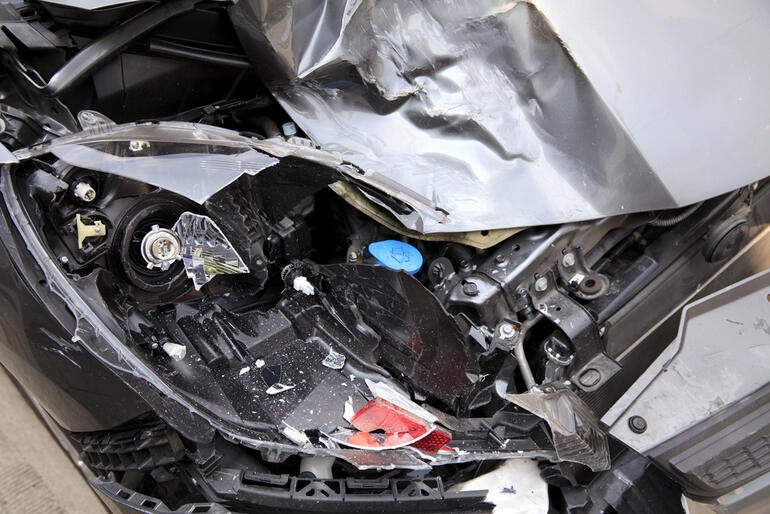
When looking at a second-hand car, check for any rust or damage. Rust can make the car weaker and more expensive to fix. Look under the car, especially around the wheels and doors. Pay attention to the body for any scratches or dents. Damage can also hide under the car’s paint, so check for mismatched colors.
If you see signs of damage, it might mean the car was in an accident. Rust often starts small but can spread and cause bigger problems. Damage to the frame is especially serious, as it affects the car’s safety. If you find rust or damage, get a mechanic to inspect it. Consider the cost of repairs before deciding to buy.
Test Drive the Car
Always take the car for a test drive before buying. This helps you see how it handles on the road. Pay attention to how the engine sounds. If the engine makes strange noises, it might have a problem. Check how the brakes feel. They should not be too soft or squeaky.
Notice how the car drives, whether it pulls to one side or feels stable. Test the steering to make sure it is smooth and easy to turn. Also, check the car’s acceleration to see if it responds well. A test drive can help you spot issues you might not see from the outside.
Examine the Tires
When buying a second-hand car, always examine the tires. Tires should have enough tread for a good grip on the road. Check if the tread is even or worn unevenly. Uneven wear can mean the car has alignment problems. Look for any cracks or bulges on the sidewalls.
These can be signs of tire damage. Check the tire pressure to make sure it’s correct. If the tires are old, they might need to be replaced soon. Ask the seller how old the tires are. Replacing tires can be costly, so factor that into the price. If the tires are in bad shape, you may want to negotiate for a lower price.
Verify the VIN
When buying a second-hand car, always verify the VIN. The VIN is a unique code that identifies the car. You can find it on the dashboard or inside the door frame. Check that the VIN on the car matches the one in the car’s documents. This helps ensure the car hasn’t been stolen.
A different VIN could mean the car has been tampered with. You can also use the VIN to check the car’s history. This will show if it has been in any accidents or had major repairs. Be careful if the VIN seems unclear or hard to read. Always confirm the VIN before you make a decision to buy.
Inspect the Interior
When buying a second-hand car, inspect the interior carefully. Check the seats for any tears or stains. Make sure the seat belts work properly and are not frayed. Look at the dashboard to see if there are any warning lights on. Test all the buttons and controls, like the radio and air conditioning. Make sure the windows roll up and down smoothly.
Check the floor mats for wear and tear. Look for any bad odors, which can mean hidden problems. Check the car’s upholstery to see if it’s worn or damaged. Pay attention to any signs of mold or water damage. A clean and well-kept interior can show the car was taken care of.
Look for Leaks or Odd Sounds
When buying a second-hand car, look for any leaks or odd sounds. Leaks can mean problems with the engine or other parts. Check under the car for any oil or fluid stains. Look around the engine for signs of leaks as well. Listen carefully when you start the car. Any strange sounds, like squeaks or rattles, could mean something is wrong.
Pay attention to the brakes when you drive. If they make a grinding noise, it could be a sign they need repair. Also, listen for any knocking sounds from the engine. These sounds can be expensive to fix. Always ask a mechanic to check if you hear anything unusual.
Learn More About Second-Hand Car
Buying a second-hand car can be a great way to save money. However, it’s important to check the car carefully before making a decision. Look at the car’s history, condition, and overall performance.
If you find any issues, consider the cost of fixing them. Take your time and make sure you’re getting a good deal.
Visit our blog for more!
Image Source: BigStockPhoto.com (Licensed)





Share options
Share this content with others