






Revolutionizing Gears: How Sintering Is Transforming Industries
 Story by:
Marc Ikbal
Story by:
Marc Ikbal
Manufacturing is always looking for better ways to make parts that are strong, precise, and affordable. Traditional methods like casting and machining have been around for a long time, but new techniques are starting to take their place. One of the most promising is sintering- a process that turns metal powder into solid parts by heating it.
This method is already changing how industries make gears and other important components. It uses less energy, wastes less material, and creates parts with complex shapes that are hard to make in other ways. Read on.
Understanding Sintering
Sintering is a process where powdered materials-usually metals, ceramics, or composites are pressed into shape and then heated just below their melting point. This heat causes the particles to bond, creating a solid piece without fully melting the material. Because it doesn’t require high heat to melt the entire material, sintering saves energy and reduces the chances of the final product becoming distorted.
The process begins with selecting the right type of powder based on the desired properties. This powder is pressed into a rough shape, often called a “green” part.
Then, the part is heated in a controlled furnace until the particles fuse. Additional steps like surface finishing or heat treatment may follow, depending on the final requirements.
Sintering stands out because it allows for highly accurate dimensions, uses less energy, and can create shapes that are difficult or expensive to produce with traditional methods.
Making Sintered Gears
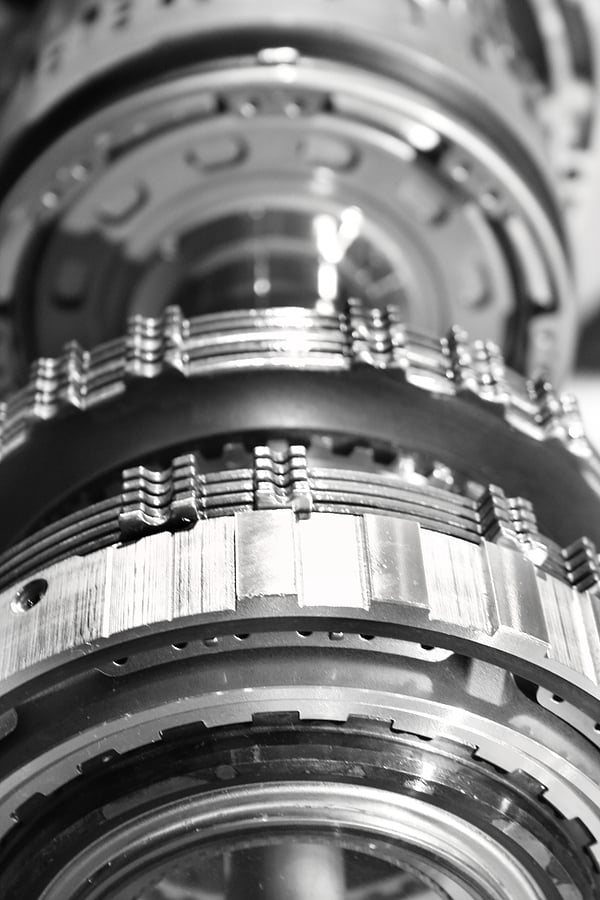
Sintered gears are becoming more common in industries where performance, reliability, and cost matter. These gears start as metal powders shaped in high-pressure molds. After pressing, they’re heated in a furnace so the particles bond.
To increase their strength and durability, the gears can undergo hardening or finishing processes. In some cases, minor machining is done to ensure very tight tolerances.
One of the biggest benefits of sintered gears is reduced material waste. Because the powder is formed directly into shape, there is very little scrap. It’s also easier to make complex shapes or internal features that would be difficult with traditional cutting or grinding.
These gears often perform just as well as conventional ones, especially after treatments that improve hardness and wear resistance. Their internal structure also tends to be more consistent, which results in smoother, quieter operation.
Sintering also makes it easier to use special alloys or combinations of materials that are otherwise difficult to machine. Since the process is ideal for mass production, it’s widely used in the automotive industry and in other sectors that need large volumes of precision parts.
Challenges of Sintering
While sintering has many advantages, it isn’t perfect. One concern is porosity-small gaps within the material-which must be carefully managed to avoid weakening the part.
Some applications still require additional machining for precise finishes. The equipment needed for sintering can be expensive to set up, and not all materials are equally suited to the process.
New Technologies in Sintering
In recent years, sintering has improved thanks to advances in technology. New methods like Spark Plasma Sintering (SPS) use electric currents to heat parts quickly and reduce processing time. Other approaches, like flash sintering and cold sintering, allow for faster bonding at lower temperatures, saving even more energy.
Microwave and hybrid sintering techniques help heat materials more evenly, producing parts with better strength and structure. Meanwhile, 3D printing technologies such as binder jetting and selective laser sintering are combining with traditional sintering to create complex parts that were once impossible to manufacture.
These innovations are also supported by better powder materials and multi-material blends, allowing manufacturers to design parts with customized properties for specific uses. Visit some experts to learn more about the latest on Sintered Gears.
Sintering’s Role in Different Industries
The impact of sintering goes well beyond gear production. Many industries are now relying on it to improve their products and processes.
In the automotive sector, sintered gears are used in electric motors, power windows, and transmissions. They offer reduced weight, lower noise, and better energy efficiency-all crucial for modern vehicles, especially electric ones. Smaller, lighter gears also help improve overall performance without sacrificing strength.
In industrial machinery, sintered parts are found in robotics, hydraulic systems, and gear motors. Their reliability and long life help reduce maintenance and improve efficiency in demanding environments.
Aerospace companies use sintered ceramics and advanced composites in parts like turbine blades and engine components, where heat and stress levels are high. Sintering allows them to create strong, lightweight materials that resist heat and corrosion.
In medicine and electronics, sintering enables the production of detailed, high-strength components used in surgical tools, dental devices, and electronic equipment. Materials that are safe for the human body can be formed into tiny, complex shapes suitable for implants or precision tools.
Sintering is also a more sustainable choice. It uses less energy than traditional methods and generates less waste. Recycled powders can be used, and since parts come out close to their final shape, there’s less need for further machining-saving time, labor, and additional resources.
A Practical Example: Sintering in Car Transmissions
Imagine a company that usually machines steel gears for car transmissions. This process is slow, expensive, and results in a lot of scrap.
By switching to sintering, the company can press powdered metal directly into gear shapes. After sintering and heat treatment, only minor finishing is needed.
This switch saves material, lowers production costs, and speeds up manufacturing. For less critical parts, like those in window motors or small gearboxes, finishing may not be necessary at all.
The Road Ahead
Sintering continues to evolve. Faster sintering methods are being developed, and new material combinations are allowing for more advanced part designs. For example, it’s now possible to make parts with a strong inner core and a hard outer surface in a single process.
Digital controls and artificial intelligence are also helping optimize the sintering process, improving consistency and reducing waste. As equipment becomes more affordable and accessible, more manufacturers are expected to adopt sintering in the near future.
The Future of Gears is Here
Sintering is no longer just an alternative-it’s becoming one of the best ways to make high-quality parts. It helps companies build lighter, stronger, and more efficient products, from car engines to medical tools. As the technology improves, sintering will continue to grow in popularity.
If you want to read more articles, visit our blog.
Image Source: BigStockPhoto.com (Licensed)





Share options
Share this content with others