








Why Chrome Rims Shine on Some Trucks — And Fade on Others?
 Story by:
Marc Ikbal
Story by:
Marc Ikbal
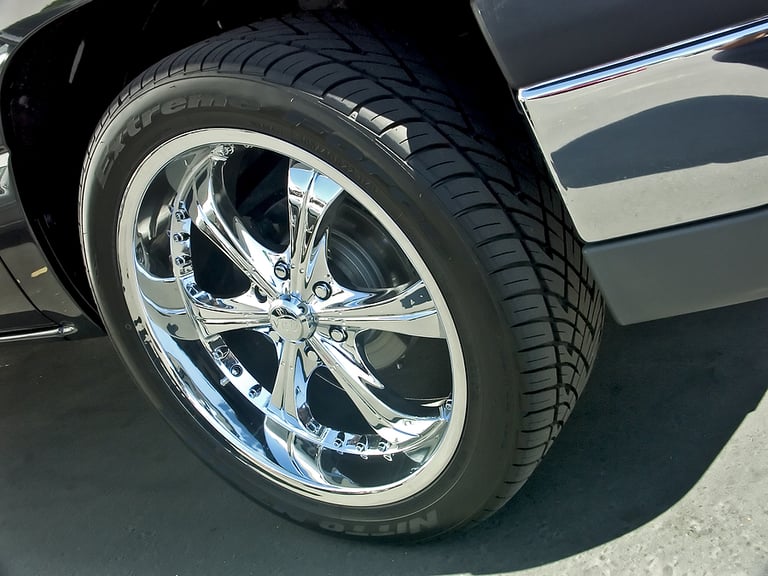
Chrome rims turn a truck into a statement, reflecting strength, style, and precision. Their brilliance, however, isn’t uniform. Some hold a showroom sparkle for years, while others fade into a hazy surface within a season. The difference lies in unseen details: the quality of plating, daily care, and exposure to weather and road conditions.
Unlike cars, trucks magnify every weakness. Heavy loads strain finishes, tall wheel arches frame rims in constant view, and rugged terrain tests durability at every turn. For owners, chrome becomes more than an accessory—it’s a reflection of upkeep and investment, a visible marker of pride or neglect.
Why Chrome Looks Different on Trucks Than Cars
Trucks highlight chrome wheels in ways cars rarely manage. High fenders and tall profiles place the rims directly in view, while larger diameters turn them into expansive mirrors that magnify light. Broad spokes and polished barrels spread reflections across wide surfaces, giving chrome a striking presence against muscular body lines.
Cars, with their lower stances and smaller proportions, reduce chrome’s influence. Instead of dominating the look, polished wheels serve as subtle accents tucked closer to the ground. On a pickup, the effect is different: chrome wheels offset massive grilles, squared fenders, and heavy bumpers, turning reflective surfaces into bold visual anchors.
Everyday Care Habits That Protect Chrome
Daily habits determine how long rims keep their shine. Mud, grit, and brake dust scratch plating if left to sit, so a quick rinse after rough drives prevents early damage. Washing with mild car soap and microfiber cloths avoids the harsh abrasion of stiff brushes or household detergents. Careful drying with soft towels removes hidden moisture that leads to mineral spots and corrosion.
Protection goes further with a thin coat of wax or polymer sealant, which locks out grime and moisture. Reapplying every few months, especially in winter, creates a barrier against salt and dust, keeping chrome reflective under constant stress.
Environments That Accelerate Chrome Wear
Chrome suffers most where the environment never relents. Winter salt embeds in crevices, where it etches and pits if ignored. Coastal air carries salt spray and constant humidity that dulls a reflective finish and traps contaminants in hidden pockets. On unpaved roads, sand and gravel chip at edges, leaving tiny fractures that grow worse with brake heat and vibration.
Preventing that damage requires steady rhythm more than deep cleaning. A rinse within two days of salt exposure clears corrosive buildup before it sets in. Careful drying keeps moisture from hiding in seams, while seasonal sealant offers lasting protection against harsh climates.
Driving Patterns That Influence Chrome Longevity
How a truck is used leaves distinct marks on its rims. Daily commutes coat spokes with fine brake dust, which bakes onto plating under repeated stops and dulls the mirror finish. Off-road runs fling sand and stones that chip edges, while heavy towing places strain on wheel structure, exposing thin layers of chrome to heat and flex that encourage cracks.
Long downhill hauls with heavy trailers add further stress, as constant braking pushes temperatures higher and accelerates discoloration across wheel surfaces. Protection comes from consistency. Targeted cleaning behind spokes clears buildup where it lingers most. After rough trails, checking for chips and sealing them with lacquer stops peeling before it spreads. Touch-ups done promptly keep flaws contained and prevent long-term corrosion.
Buying Decisions That Impact Long-Term Results
Long-lasting chrome begins at purchase. Premium rims use thicker nickel and chrome layers, cured through multi-stage processes that resist peeling and withstand heat from heavy loads. Plating thickness, often measured in microns, closely matches durability, while strong adhesion layers prevent blistering where cheaper finishes fail. Manufacturers who publish specs and stand behind warranties typically deliver plating that holds up for years.
Owners also influence lifespan by storing wheels correctly. Upright placement on wood pallets with desiccant packets limits moisture, while breathable covers reduce humidity without trapping condensation. Together, strong plating and smart storage protect appearance, making wheels both durable and striking over time.
Keeping chrome wheels brilliant is less about chance than deliberate practice. Every factor—finish quality, driving patterns, storage methods, and care routines—shapes how long the reflective surface resists corrosion and wear. Trucks bring heavier loads, harsher climates, and tougher terrain, yet consistency offsets those challenges. Prompt rinses, seasonal sealant, and quick repair of small flaws prevent damage from spreading. Premium plating and careful storage extend durability, cutting costs and protecting appearance. Over time, these habits deliver more than shine: chrome wheels project value, strength, and pride, speaking for the owner long before the truck ever leaves the driveway.
Image Source: BigStockPhoto.com (Licensed)





Share options
Share this content with others