






5 Warning Signs Your Alfa Romeo Needs a Check-Up
 Story by:
Marc Ikbal
Story by:
Marc Ikbal
Owning an Alfa Romeo is as much about driving feel as it is about engineering character. The marque’s finely tuned powertrains, responsive steering, and distinctive Italian design reward attentive maintenance. Because these vehicles are built with performance-focused tolerances and advanced electronics, small irregularities tend to signal underlying issues earlier than in more conventional cars. Recognising those early warnings helps preserve reliability, performance, and long-term value.
Dashboard Alerts That Should Not Be Ignored
Modern Alfa Romeos rely on interconnected control units and CAN bus systems to monitor engine, transmission, braking, and safety functions in real time. When a warning light appears, especially the check engine, oil pressure, or transmission alert, it often indicates that the vehicle has entered a protective operating strategy. This is commonly linked to limp mode, where performance is reduced to prevent mechanical damage.
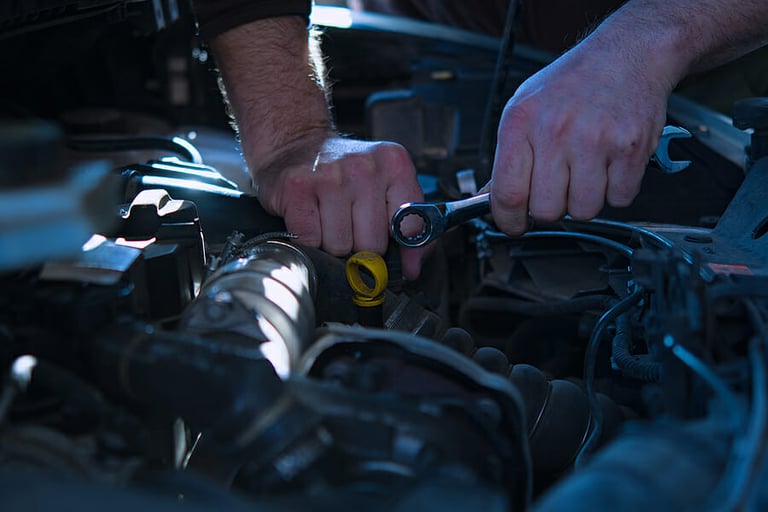
In many cases, these alerts are triggered by sensor irregularities, ignition faults, or airflow imbalances detected through the OBD-II diagnostics network. If you notice recurring warnings, even if the car still feels normal to drive, it’s typically best to arrange an alfa auto repair for routine servicing and diagnostics to interpret fault codes before they escalate into component failure.
Loss of Power or Hesitation Under Acceleration
A healthy Alfa Romeo delivers smooth, progressive acceleration. When the engine begins to hesitate, surge, or feel noticeably less responsive, it often points to issues in the air–fuel delivery or forced induction system. Faults in the mass airflow sensor, boost leaks in turbocharged variants, or carbon build-up affecting direct injection engines can disrupt combustion efficiency.
You may also notice uneven throttle response or delayed gear engagement in models equipped with dual-clutch transmissions. These symptoms rarely resolve on their own and usually indicate that calibration values or mechanical tolerances are drifting outside factory specifications.
Unusual Noises From the Engine or Suspension
Alfa Romeo engines are designed with precise internal clearances, so unfamiliar sounds are rarely harmless. A ticking noise during cold starts may be linked to valvetrain wear or oil circulation delays, while a knocking sound under load can suggest combustion irregularities or mounting fatigue.
From the chassis, clunking over uneven surfaces often relates to worn control arm bushings, tired anti-roll bar links, or deterioration in adaptive damping systems. Because the brand places strong emphasis on handling dynamics, even minor suspension wear can quickly affect stability and tyre life.
Fluid Leaks or Rising Operating Temperatures
Performance-oriented engines operate within narrow thermal thresholds. Any sign of coolant residue, oil seepage, or a sweet smell after driving should be taken seriously. Leaks commonly originate from ageing seals, stressed hoses, or pressure fluctuations in the cooling system.
An unexpected rise in temperature, especially in stop-start traffic, may indicate reduced efficiency in the radiator, thermostat irregularities, or water pump wear. Left unattended, overheating can compromise cylinder head integrity and lead to costly mechanical repairs.
Brake Feel Changes or Steering Instability
Alfa Romeo braking systems are tuned for sharp response and consistent pedal feedback. If the pedal begins to feel spongy, travel increases, or vibration occurs during braking, it may be due to disc runout, pad glazing, or air entering the hydraulic braking system.
Similarly, steering that feels heavier than usual or less precise can be linked to alignment drift, electronic assistance faults in the EPS module, or uneven tyre wear. Because these cars are engineered for balanced weight distribution and cornering precision, subtle changes in steering feel are often early indicators of deeper issues.
Keep the Driving Experience at Its Peak
Responding early to these warning signs preserves the performance character that makes Alfa Romeo ownership unique. Timely diagnostics prevent secondary damage, maintain efficiency, and ensure that every drive continues to feel as the engineers intended.
Image Source: BigStockPhoto.com (Licensed)





Share options
Share this content with others