








How to Buy Restaurant Furniture That Fits Your Budget and Brand
 Story by:
Marc Ikbal
Story by:
Marc Ikbal
Choosing the right restaurant furniture is about more than just finding tables and chairs. It’s a strategic decision that influences your brand’s image, customer comfort, and overall dining experience. Whether you run a casual bistro or an upscale eatery, the furniture you select should align with your budget and brand identity. The process involves balancing style, durability, and cost while ensuring each piece serves a functional and aesthetic purpose. In this guide, we’ll walk you through the key factors that help restaurant owners choose the right furniture—without compromising on quality or breaking the bank.
Understanding Your Restaurant’s Theme and Branding Goals
Before purchasing restaurant furniture, clarify your restaurant’s theme and branding. Your furniture should visually express your concept—rustic, modern, vintage, industrial, or luxurious. Cohesiveness between your brand identity and furniture design builds recognition and enhances guest experience. For instance, a farm-to-table restaurant might choose reclaimed wood tables and earthy tones, while a contemporary café may lean toward minimalist metal-framed chairs. Define your color palette, desired atmosphere, and type of customer you want to attract. This alignment ensures that the furniture reinforces your message, helping customers connect emotionally with your space. Make furniture choices a seamless extension of your brand, not an afterthought.
Setting a Realistic Budget for Restaurant Furniture
Setting a budget is essential when buying restaurant furniture. Begin by outlining all furniture needs—seating, tables, booths, bar stools, outdoor pieces—and estimate quantities. From there, allocate a specific portion of your renovation or opening budget to furniture. Be realistic about what you can afford but remember that overly cheap furniture often lacks durability, costing you more in the long run. Prioritize investment in high-use items like chairs and tables, and leave decorative pieces as secondary. Explore financing or phased purchasing if needed. A well-planned budget allows you to get functional, brand-appropriate furniture without financial strain, ensuring long-term value and style.
Prioritizing Furniture Pieces Based on Function and Space
Start your restaurant furniture selection by focusing on function and space. Evaluate your layout and consider how many guests you want to seat comfortably without overcrowding. Prioritize essential items like dining tables, chairs, and booths over decorative or luxury items. Measure your space and use layout tools or software to visualize traffic flow. Make sure furniture pieces allow for ease of movement—for guests and staff alike. If your restaurant is multi-zoned (e.g., indoor and patio dining), ensure you have the right types for each environment. Functional, well-proportioned furniture improves efficiency and the dining experience.
Balancing Quality and Affordability in Restaurant Furniture
When shopping for restaurant furniture, finding the sweet spot between quality and affordability is key. Don’t be tempted by the lowest prices if it means sacrificing durability or comfort. Look for commercial-grade furniture that’s built to withstand daily use, especially in high-traffic areas. Consider second-hand or refurbished options from reputable vendors to stretch your budget without compromising on quality. Compare brands and read reviews to make informed decisions. Ask about warranties and material specifications. While luxury furniture looks great, there are many mid-range options that offer solid construction, attractive designs, and reasonable pricing. Balance short-term cost with long-term performance.
Exploring Material Options That Match Your Style and Budget
The material of your restaurant furniture affects not only aesthetics but also cost and maintenance. For tight budgets, metal and laminate offer modern appeal at lower costs. Solid wood is durable and timeless but more expensive, while veneer gives a similar look for less. Upholstered chairs provide comfort but may require more upkeep than hard-surface options. If you run an outdoor space, opt for weather-resistant materials like aluminum or synthetic rattan. Think beyond style—choose materials that suit your restaurant’s daily demands. By understanding the pros and cons of each material, you can make cost-effective choices without compromising your restaurant’s look and function.
Custom vs. Ready-Made Restaurant Furniture: Pros and Cons
One key decision when purchasing restaurant furniture is choosing between custom and ready-made options. Custom furniture gives you full control over size, materials, and design, allowing for a unique brand experience. However, it typically comes with higher costs and longer lead times. Ready-made pieces are quicker to acquire and often more affordable, but they may lack uniqueness and require compromises in sizing or style. Consider your timeline, budget, and how important exclusivity is to your brand. A smart strategy is to mix both—use ready-made basics and add a few custom elements for branding impact. Choose what supports your goals best.
Buying in Bulk or Sets to Save on Costs
Bulk purchasing is a cost-effective way to source restaurant furniture. Many suppliers offer discounts on large orders, especially for standard items like dining chairs and tables. Buying sets—tables with matching chairs—can also save money and ensure a coordinated look. Before ordering in bulk, request samples or visit showrooms to confirm quality. Keep future expansion in mind and order a few extra pieces for replacements. Coordinate your bulk purchases with other restaurant owners to negotiate better deals through group buying. Smart bulk shopping stretches your budget and ensures consistency across your dining space, creating a professional and unified environment.
Sourcing Furniture from Reputable and Budget-Friendly Suppliers
Where you buy your restaurant furniture matters as much as what you buy. Look for vendors with good reputations for quality, customer service, and fair pricing. Online suppliers often provide wider selections and better deals, but local showrooms let you inspect items firsthand. Check for suppliers that specialize in commercial furniture, as residential-grade items won’t hold up in a busy restaurant. Ask about warranties, delivery timelines, and bulk discounts. Read customer reviews and testimonials to ensure reliability. Partnering with a reputable supplier ensures you’re getting furniture that’s built to last and aligns with both your aesthetic and financial needs.
Inspecting Furniture for Durability and Maintenance Needs
Not all restaurant furniture is created equal—what looks stylish may not last long. When shopping, physically inspect the build quality. Check for sturdy joints, balanced legs, and commercial-grade materials. Ask whether the finish is resistant to spills, stains, and scratches. Upholstered items should have strong stitching and easy-to-clean fabric. Furniture that’s hard to maintain can lead to frequent repairs or replacements, draining your budget over time. Request durability certifications or test reports if available. Regular maintenance should be simple and cost-effective. Investing in well-made, low-maintenance furniture pays off in long-term savings and keeps your restaurant looking great year-round.
Maximizing Value with Multi-Functional and Space-Saving Designs
Small or budget-conscious spaces can benefit from versatile restaurant furniture. Look for items that offer multiple uses—like stackable chairs, folding tables, or booths with built-in storage. These space-saving designs make setup and cleaning easier and help you maximize every square foot. Modular furniture allows for flexible layouts depending on daily needs. Benches or communal tables can increase seating without adding clutter. Choose lightweight pieces that are easy to move, which adds convenience during service changes. Multi-functional furniture not only saves money but also improves your restaurant’s flexibility and efficiency. Smart choices here translate to long-term adaptability and cost-effectiveness.
Conclusion: Smart Choices for Long-Term Success
Choosing restaurant furniture that suits both your budget and brand isn’t just a design decision—it’s a strategic investment. Start by clearly defining your brand identity and understanding how your space should function. Set a realistic budget, prioritize quality over quantity, and explore materials that blend style with affordability. Don’t overlook the value of multi-use pieces, and always inspect for durability. Whether you go with custom or ready-made options, ensure your selections contribute to the ambiance and comfort you want to deliver. Ultimately, smart furniture choices not only enhance your dining space but also support your restaurant’s growth, identity, and profitability for years to come.
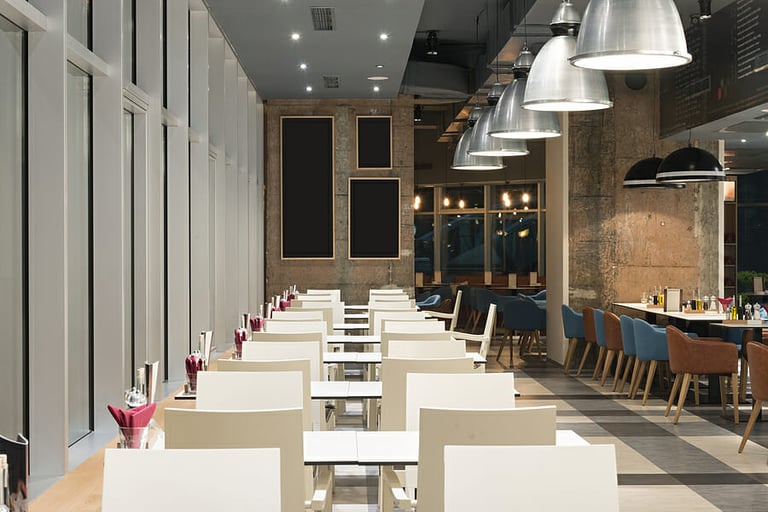
Image Source: BigStockPhoto.com (Licensed)





Share options
Share this content with others