






The Art and Science Behind Bumper Repair Innovations

 Story by:
Jimmy Bell
Story by:
Jimmy Bell
Every car owner cares about how their ride looks and works. The bumper is one of the first parts you see and one of the first parts to get damaged. Innovations in repair bring the art of colour matching and the science of materials together.
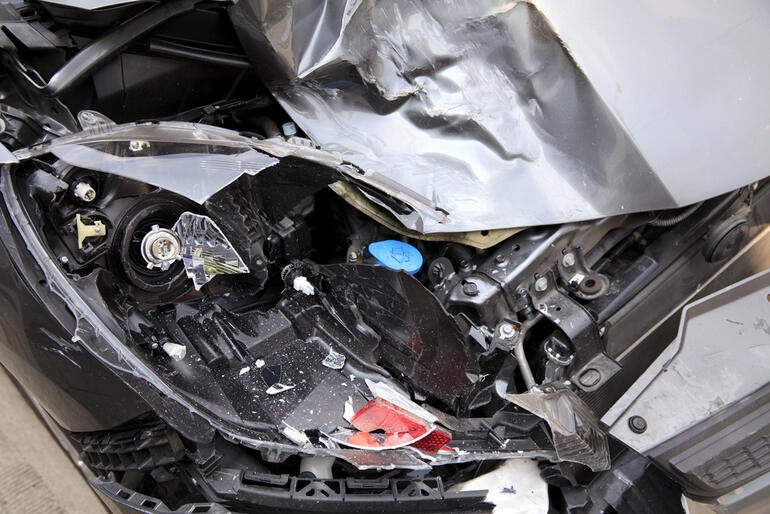
What happens when a bumper is scuffed, cracked, or dented? Skilled technicians now use smarter tools and better materials to restore the pieces. Let’s explore the fascinating art and science behind bumper repair innovations.
Material Matters – The Science Behind Bumper Materials
Modern bumpers are made of flexible plastics instead of heavy metal panels. These materials absorb impacts better and are easier to repair than rigid metal.
Technicians must first identify the plastic type, such as PP or ABS, before choosing the right adhesives or welds. Through heat, glues, or fillers, the damaged area is restored with precision.
The importance of using correct materials is huge; wrong choices lead to weak repairs or cosmetic flaws. This science of material matching makes bumper repair smarter and stronger.
Precision Processes – How Technicians Repair Damage Step-by-Step
Repairing a bumper starts with cleaning and assessing the damage. Next, the technician sands the area, sometimes cuts grooves to help bonding, then fills or welds cracks.
After the structural fix, they sand smooth and prepare for paint. Modern tools like scanners, colour-matching machines, and plastic welders speed up the process.
These methods were once limited to major shops, but now more workshops can do high-quality repairs. This clear process makes the art of bumper repair visible and reliable.
Cosmetic Enhancements – Making It Look as Good as New
Beyond fixing the structure, bumper repair also focuses on looks. Colour matching is key: the new paint must blend with the old body colour seamlessly. Technicians apply primer, base coat, and clear coat while using computers or spectrometers to match colour perfectly.
Repairing even minor surface damage restores car value and appeal. Small scrapes or chips become invisible when done well. By combining artistry and science, the result is a bumper that appears brand new.
Smart Solutions for Everyday Scratches – Easy Fixes that Work
Every day driving causes little dings, scrapes, and scuffs on bumpers. Services such as professional bumper scuff repairs treat these common issues quickly and effectively. Instead of full replacements, minor damage can be buffed, filled, or welded.
Shops can fix a wide range of damage, like surface scratches, minor cracks, and delaminated plastic. These smart solutions save time and money for car owners. With less waste and faster turnaround, the art of repair becomes accessible.
Safety & Sustainability – Why Repair Innovations Matter
Bumper repair isn’t just about looks-it matters for safety and the environment too. Using proper methods ensures the bumper still absorbs impact as designed.
Smart repairs reduce waste by avoiding unnecessary replacements and reusing parts when safe. New adhesives, welding tools, and plastics lower the environmental footprint.
Repairs that meet the original manufacturer’s standards keep vehicles safe for drivers and passengers. So the science of repair supports both safety and sustainability.
Upgrade Your Bumper Repair Experience
Repairing a bumper properly brings together both science and art. When the material is correct, the process is clear, and the finish is flawless, you know the repair was done well.
Innovations in adhesives, colour matching, plastics, and techniques mean bumpers look better and protect as they should. Whether your bumper is lightly scuffed or deeply cracked, choosing skilled repair matters.
Did you find this article helpful? If so, check out the rest of our site for more informative content.
Image Source: BigStockPhoto.com (Licensed)





Share options
Share this content with others