







The Best At-Home Treatments for Menopausal Hair Thinning
 Story by:
Marc Ikbal
Story by:
Marc Ikbal
Hair loss is one of the least-discussed but most significant symptoms of menopause. For many women, the mirror reflects not only the passage of time but also a noticeable change in self-confidence. According to Harvard Health, approximately one-third of all women lose hair at some point in their lives, and up to two-thirds of postmenopausal women have hair thinning or bald spots, most commonly along the hairline, temples, and crown of the head.
Unlike male-pattern baldness, menopausal hair thinning is frequently diffuse and hormonal in nature. The main culprit? A sharp drop in estrogen, the hormone that used to prolong the hair’s growth phase and keep strands thick, lustrous, and strong.
If you’re looking for real solutions to this change, the good news is that there are some effective, noninvasive options. Today, we’re looking at the most promising at-home treatments for menopausal hair thinning.
Understanding Menopausal Hair Thinning: Causes and Symptoms
Why Does Hair Thin During Menopause?
As estrogen levels fall during perimenopause and menopause, the protective effects on hair follicles diminish. Estrogen typically extends the anagen phase (growth phase) of the hair cycle. When these hormone levels fall, the cycle accelerates, and more hair transitions prematurely into the telogen (shedding) phase.
Other contributors include:
- Increased androgen sensitivity can lead to hair follicle miniaturization.
- Reduced sebum production causes drier, more brittle hair.
- Chronic inflammation reduces follicle health.
- Stress and nutritional deficiencies are common during menopause.
At-Home Treatments That Actually Work
Many women turn to home remedies like scalp massages and biotin gummies. While these may help with overall health, true results require scientifically proven treatments. Here are the best expert-approved at-home hair loss treatments for menopausal women.
1. Topical medications and serums.
One of the most effective and direct ways to combat menopausal hair thinning is through topical treatments that deliver active ingredients directly to the follicles. Calecim Professional stem cell hair growth serum is one of the most advanced options available today.
Unlike traditional drug-based formulas, this stem cell hair growth serum is specifically designed to target the hormonal and inflammatory factors that cause menopausal thinning. It features:
- PTT-6®, a patented protein mix derived from umbilical cord lining stem cells
- High concentration of growth factors, cytokines, and exosomes that nourish hair follicles.
- A clinically validated system that users experience reduced shedding within 6 weeks
Topical stem cell serums, such as Calecim’s, provide a regenerative solution to menopausal hair thinning by restoring the follicle’s microenvironment. Use it on a regular basis, ideally twice a week, and combine it with microneedling to improve absorption and speed up results.
2. Microneedling for Hair Regrowth
Microneedling has become the go-to treatment for women experiencing menopausal hair loss. This technique stimulates the wound-healing response by making tiny punctures in the scalp, promoting collagen production and follicular regeneration.
Key benefits:
- Enhances serum absorption (especially hair growth serum)
- Improves blood circulation to the scalp
- Thickens existing hair by revitalizing miniature follicles.
The Calecim Professional Advanced Hair System includes a dermastamp and a stem cell hair growth serum for easy at-home use. Use a dermastamp on clean skin, and ensure all equipment is thoroughly sanitized before and after each use. This system has been clinically validated over six weeks and shows a 24% increase in follicle cell growth as well as a 30-fold reduction in follicle inflammation, which is a major contributor to hair loss.
3. Low-Level Laser Therapy (LLLT)
Low-Level Laser Therapy (LLLT) is a clinically proven and FDA-approved treatment for androgenic and menopausal hair loss. These devices emit red light wavelengths, which penetrate the scalp and stimulate cellular metabolism in dormant follicles.
Popular LLLT devices include laser combs, helmets, and caps. They work by:
- Increasing ATP production (cellular energy).
- Stimulating anagen phase re-entry (growth phase)
- Reducing inflammation at the scalp level
4. Nutrient-Rich Diet
Hair is composed of keratin, a protein that is dependent on nutritional inputs. During menopause, many women suffer deficiencies in:
- Vitamin D: Low levels are linked to alopecia
- Iron & Ferritin: Crucial for oxygen delivery to follicles
- Zinc: Supports scalp healing and oil regulation
- Biotin: Helps strengthen brittle strands
For healthier hair, consume eggs and salmon for protein and biotin, spinach and lentils for iron, nuts and seeds for zinc and omega-3s, and Vitamin D from fortified cereals or sunlight to support strong follicles and scalp health.
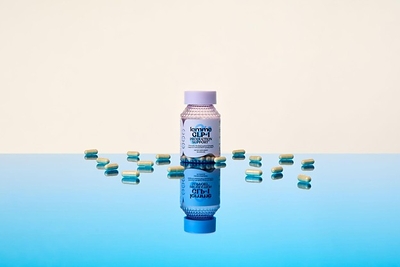
5. Hair Growth Supplements
Beyond diet, targeted hair growth supplements can help close the gap. Look for products that contain:
- Marine collagen for hair shaft strength
- Saw palmetto to inhibit DHT (a hormone linked to follicle shrinkage)
- Silica and MSM to enhance scalp circulation and keratin production
- Adaptogens like ashwagandha to lower stress-related hair loss
6. Adjust Your Haircare Routine
Hormonal hair can be more fragile, particularly when dry and brittle. Making small changes to your hair care routine can help prevent further breakage and increase volume.
Best practices:
- Use sulfate-free shampoos and lightweight conditioners
- Avoid daily heat styling or chemical treatments
- Gently detangle with wide-tooth combs or soft brushes
- Sleep on silk pillowcases to reduce friction
While you wait for regrowth, volumizing mousses, root sprays, and layered haircuts can all give you the illusion of fullness.
7. Supportive Lifestyle Changes
Finally, your overall lifestyle can have a significant impact on your hair health during menopause.
Examples of helpful habits include:
- Stress reduction through yoga, meditation, or breathwork (chronic cortisol spikes can accelerate hair loss).
- Regular exercise, which improves circulation to the scalp.
- Sleep hygiene, because growth hormone (vital for follicles) peaks during deep sleep.
- Avoid smoking and excessive alcohol consumption, both of which impair nutrient absorption and circulation.
How can I improve my hair during menopause?
To improve hair during menopause, use a stem cell hair growth serum to stimulate follicles and encourage regrowth. Combine this with microneedling to improve product absorption and boost efficacy. Consume a high-protein diet, stay hydrated, and avoid harsh treatments such as bleaching or tight hairstyles.
How to stop hair loss in menopause?
Start treatment as soon as you notice shedding or thinning; early action is critical. Use targeted products, such as the Calecim Professional Advanced Hair System, to treat the underlying causes of menopausal hair loss. Maintain consistency in use, and consult with your doctor about your iron, thyroid, and hormone levels to address any contributing imbalances.
How to add volume to hair while treating thinning?
When treating thinning hair, use a non-comedogenic, sulfate-free volumizing mousse or dry shampoo to instantly add volume. Blow-drying your hair upside down creates root lift, while using a round brush on a cool setting adds bounce. Layered hairstyles can also give the appearance of having more hair.
Conclusion: Take Charge of Your Hair Health
Menopause is a natural part of life, but hair loss does not have to be inevitable. Thanks to advancements in hair growth solutions, at-home treatments are now more convenient, effective, and empowering than ever.
You can protect, restore, and love your hair again by combining scientifically proven options, such as the Calecim Professional Advanced Hair System, with proper scalp care and lifestyle changes.
Ready to Restore Hair Confidence?
Take the first step toward your transformation at home by learning about the Calecim Professional Advanced Hair System.
Image Source: BigStockPhoto.com (Licensed)





Share options
Share this content with others