


NASA’s Next Space Station Delivery Includes Cancer Research and a Jim Lovell Tribute
 Story by:
Incredible News
A spacecraft named for Apollo 13 astronaut Jim Lovell is preparing to carry about 11,000 pounds of cargo to the International Space Station, including experiments focused on cancer, muscle loss and the challenges of longer space missions.
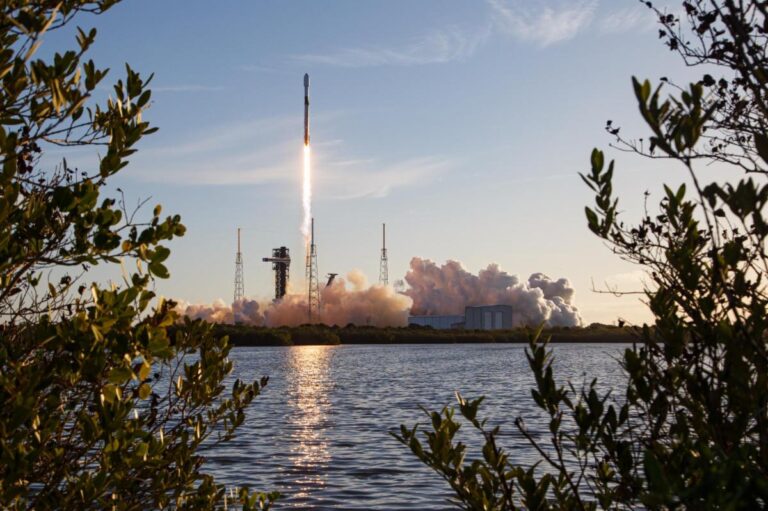
NASA, Northrop Grumman and SpaceX are targeting liftoff no earlier than 10:47 a.m. EST on Sunday, Nov. 29, 2026, according to NASA’s Nov. 18 advisory. The Northrop Grumman CRS-25 mission will send a Cygnus XL cargo spacecraft up on a SpaceX Falcon 9 from Space Launch Complex 40 at Cape Canaveral Space Force Station in Florida.
What’s inside the cargo spacecraft?
NASA says the payload includes research aimed at improving drug delivery for cancer and osteoarthritis, predicting how cancer spreads, and investigating treatments for muscle loss. Other experiments address radiation sensing and food production for future long-duration missions.
In its earlier mission preview, NASA described hardware for making tiny, DNA-inspired particles in space that could improve drug delivery. Another experiment will use human muscle cells and medications to investigate muscle loss associated with both spaceflight and aging on Earth.
Those are research goals, not announcements of proven treatments. The delivery brings together work that could have applications on Earth with technology intended to support people living and working in space.
A Lovell tribute, followed by a robotic catch
Northrop Grumman named the spacecraft the S.S. James “Jim” A. Lovell. The former NASA astronaut flew Gemini VII, Gemini XII, Apollo 8 and Apollo 13.
NASA’s current plan calls for astronauts Jessica Watkins and Luke Delaney to capture Cygnus XL with the station’s Canadarm2 robotic arm on Tuesday, Dec. 1. Ground controllers will then attach it to the Earth-facing port of the Unity module so the crew can unload the cargo.
Cygnus XL is scheduled to remain at the station until May 2027. It will then leave carrying waste and other unneeded cargo and burn up during atmospheric reentry.
How to watch the launch and arrival
NASA’s announced schedule lists the following events, with all times in EST:
- Monday, Nov. 23: A prelaunch media teleconference streams on NASA’s YouTube channel at noon.
- Sunday, Nov. 29: Launch coverage begins at 10:25 a.m., with liftoff targeted for no earlier than 10:47 a.m.
- Tuesday, Dec. 1: Arrival coverage begins at 1:10 a.m., followed by the planned capture at 2:35 a.m.
Streaming options are available through NASA Live. The launch and arrival timings are targets, so check NASA’s latest updates before tuning in.




Comments 0
No Readers' Pick yet.