






The Strange Science of Slip-and-Fall Physics: Why Milliseconds and Millimeters Decide Who Gets Hurt
 Story by:
Incredible Things Health & Wellness
Story by:
Incredible Things Health & Wellness
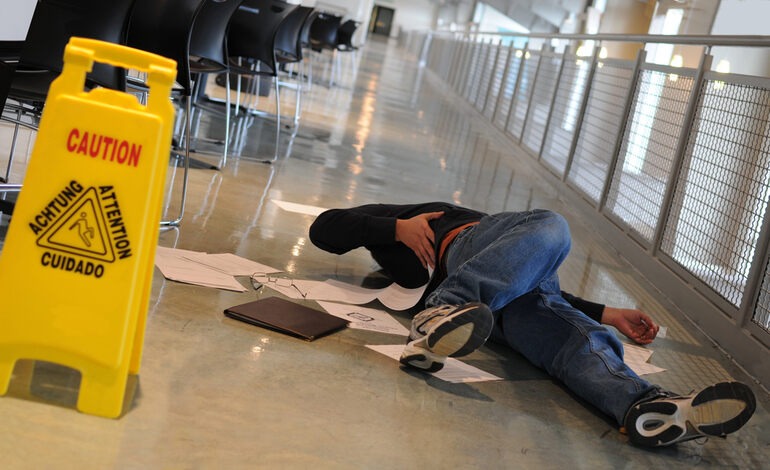
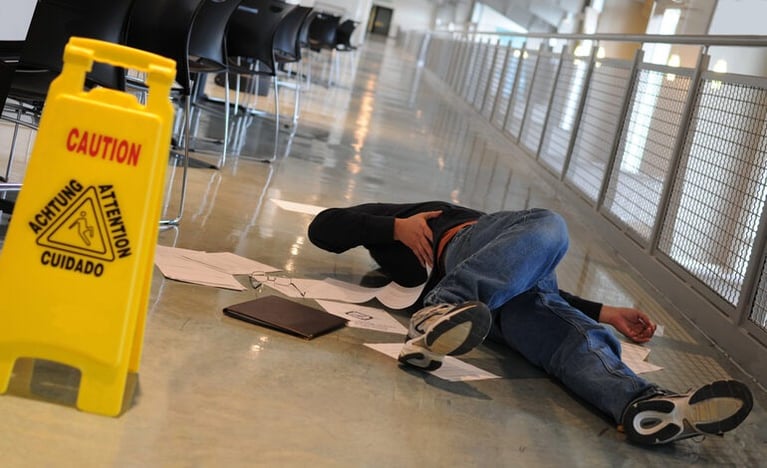
Most people would consider their fall a clumsy fall if it wasn’t actually a physics problem that could happen in less time than a human reaction, or a surface with water or wax that no man or woman could see change the grip. Careless doesn’t always mean the person receding. It’s the one whose heel cuts into a spot with such a low coefficient of friction that the really normal walking gait wouldn’t work. In just one millisecond, the physical law may win out over instinct without the conscious brain even swiping a hand. If the inevitability of a fall is viewed as physics instead of behaviour, its potential for prevention, blame, and the actual costs are substantively different.
The Problem Happens Faster Than a Blink
A forward slip starts at heel strike and becomes a slip and fall in a fraction of a second. Human reaction time to a balance loss is slower than that. By the time the brain registers that the foot is sliding, the center of mass has already moved beyond the base of support, and any recovery step, if there’s even time for one, has to land in exactly the right spot to catch the body.
Understanding this rapid chain of events is part of safe science, showing how quickly the human body can move from balance to a loss of control. Millimeters matter for the same reason. A trip only needs a lip of a few millimeters to catch a toe at the wrong point in the swing phase. That’s why cracked sidewalks, warped thresholds, and mismatched floor transitions punch so far above their weight as injury causes. The obstacle looks trivial. The gait cycle doesn’t care.
Why ‘Just Be More Careful’ Doesn’t Work
The instinctive fix is to tell people to watch where they’re going. It sounds reasonable, and it fails for a specific reason. Normal walking is largely automatic. You aren’t visually scanning each footfall; you’re relying on the assumption that the next step will meet a surface with the same friction as the last one. That assumption is the trap, and when it fails, a sudden loss of balance can lead to a serious injury. A dry tile lobby that turns wet near an entrance doesn’t announce the transition. A polished floor with a fresh coat of finish looks identical to the same floor an hour later with a completely different grip.
Signage helps a little. Attention helps a little. Neither one changes the physics of the surface, and the physics is what decides the outcome and ultimately determines how people hurt things when a slip goes wrong. The personal-responsibility framing has a second problem. Older adults, people carrying loads, and anyone whose stride is already shortened recover from a slip worse than a healthy 25-year-old. Telling a mixed population to be careful puts the burden on the people least able to catch themselves.
Real Prevention Lives in the Surface Itself
Prevention happens at the floor, not at the pedestrian. There is a measure of slip resistance that has thresholds indicating when it is considered safe. There is also industry guidance by the NIH that points to a dynamic coefficient of friction above 0.42 for wet interior floors, a number that comes out of standardized testing rather than gut feel.
That makes prevention a maintenance and specification question. What matters is whether these things are actually being done:
- Surface specification: The tile or flooring chosen for a wet-prone area needs a slip-resistance rating suited to that use, not an aesthetic that photographs well.
- Contamination control: Water, grease, dust, and floor finish all lower friction. The time between a spill appearing and someone addressing it is the difference between a hazard and an incident.
- Transition management: The riskiest points are edges: entryways, ramp tops, the step from carpet to tile. These deserve mats, texture, or grade changes long before they deserve signs.
- Lighting and sight lines: A hazard the eye can’t resolve at walking speed might as well have no warning at all. The effect of lighting levels matters because even glare-free light lets pedestrians register what’s underfoot.
The Aftermath Is Also a Physics Story
If a person falls, the injury will depend on the direction of the fall. The movement of a forward slip usually backs up the body, and the head, wrist, and lower back go the distance. When you’re on a trip, your body is reacting to forward movement; it’s face, hands, and knees that suffer. Humans tend to experience hip fractures more often when they are older, because sideward falls impact the hip, which tends to be a smaller part of the skeleton. The science of these normal accidents provides a glimpse at just how well the human body copes with variations in speed, balance, and force.
That process is also important afterwards. Details matter when it comes to serious fall injuries: the actual traction measurements of the surface, even if the property owner was aware of the hazard, he/she’s response time to it, and even if injuries are consistent with the hazard described. Working through those details is where an experienced personal injury team earns its keep. The story a floor tells and the story a witness tells don’t always agree, and the physics can help clarify the difference.


Comments 0
No Readers' Pick yet.