








What No One Tells You About the Days After a Car Crash
 Story by:
Jimmy Bell
Story by:
Jimmy Bell
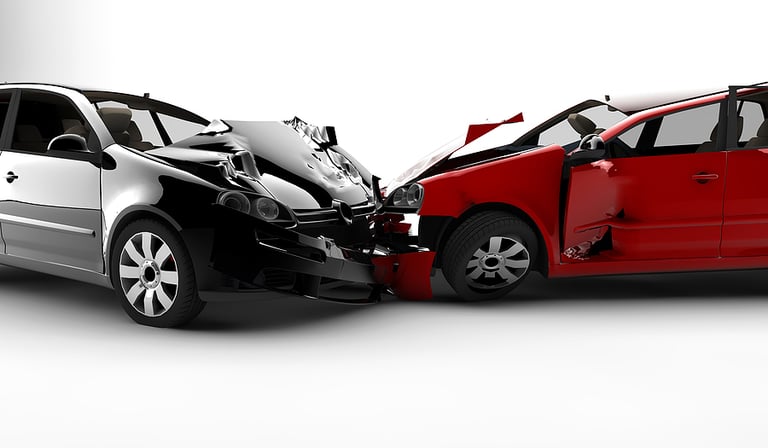
Immediately after a car accident, there seems to be a sudden pause as the whole world stops before your eyes. There is a screeching noise of metal scraping against metal, a sudden stop, and breaking glass. There is complete silence. You check yourself to make sure all limbs function, move your neck around, and take a deep breath. You get out of the accident and go on to say to yourself, “I am okay. I have survived.”
For many, the immediate aftermath involves exchanging insurance information, waiting for police reports, and perhaps towing a damaged vehicle. You might feel shaken up, but if there are no broken bones or bleeding wounds, you likely consider yourself lucky. You assume the hardest part is over.
The reality, however, is often quite different. The crash itself is only the first chapter of a much longer story. The days and weeks following a collision bring a wave of physical, emotional, and logistical challenges that few people are prepared for.
When the adrenaline fades and the police lights disappear, you are left with a new reality. Understanding what lies ahead is the first step toward protecting your health and your rights.
The Adrenaline Dump and the “I’m Fine” Myth
One of the most dangerous misconceptions about car accidents is that injuries are always immediately apparent. Such a belief prompts many to ignore medical attention on the spot and advise emergency service personnel that they are fine.
Your body is designed to protect you in a critical moment. In a crash, your body is filled with adrenaline and endorphins. This combination of chemicals allows your senses to come alive for survival purposes and, at the same time, numbs the pain. You can be walking around, talking to witnesses, and taking care of arrangements without a clue that you are seriously injured with soft tissue damage and internal damage.
The Physical Toll Often Arrives Late
It is common to wake up the next morning, or even two or three days later, unable to turn your head or get out of bed without severe pain. This delayed onset is typical for several common accident-related injuries.
Whiplash and Soft Tissue Damage
The forces involved in a collision cause your head and body to snap back and forth violently. This stretches and tears muscles, ligaments, and tendons. Inflammation takes time to build up. You might feel a little stiff initially, but as the inflammation peaks over 48 to 72 hours, the stiffness can turn into debilitating pain and a limited range of motion.
Concussions and Brain Injuries
One does not necessarily lose consciousness when concussed. You can feel “foggy” or get a headache at the scene of the accident. Several days later, you begin to experience sensitivity to light, nausea, dizziness, and difficulty concentrating. Since you do not experience a concussion suddenly, you do not make the connection that it is occurring from an accident.
Internal Injuries
Seat belts do save lives, but at the same time, they can also cause life-threatening injuries, such as internal bruising to the abdomen, because of the force required to hold the body.
It is always recommended to see a doctor immediately following an accident, even if you believe you are uninjured. A medical professional can identify trauma that your own body is hiding from you.
The Invisible Injury: Emotional Aftermath
Broken glass can be swept up, and bumpers can be replaced, but the psychological impact of a crash is harder to fix. This is a topic rarely discussed in the immediate aftermath, yet it affects a vast number of accident survivors.
Post-Traumatic Stress Symptoms
It is normal to experience anxiety after a traumatic event. You might find yourself replaying the sound of the crash or having nightmares about the collision. For some, this anxiety manifests physically like sweaty palms, a racing heart, or a feeling of panic when thinking about the accident.
Driving Anxiety
Getting back behind the wheel is often terrifying. You may find yourself flinching when other cars get too close, avoiding the intersection where the crash happened, or feeling an overwhelming sense of dread when you have to drive. This hyper-vigilance can be exhausting. It drains your mental energy, leaving you fatigued even if you haven’t done much physical activity.
Mood Swings and Irritability
Pain and stress are a volatile combination. You might find yourself lashing out at those you love, feeling depressed, or lacking patience. While it is a normal reaction to what has happened to you, it can put a strain on your relationships with the people you need to be around the most.
Recovery Realities: The Disruption of Routine
Recovery is by no means always linear, and it never occurs in a vacuum. Life demands do not pause simply because you were in an accident. One of the most frustrating aspects of the aftermath is how thoroughly it disrupts your daily existence. `
The Logistics of Life Without a Car
If your vehicle is in the shop, wrecked, or totaled, your independence is adversely affected. Simple tasks become complex tasks in planning and execution. Groceries, school drop-offs, and getting to and from work become major tasks. Rental vehicles may be available, but acquiring one is time-consuming and may incur an initial fee. If you have to take public transportation or rideshare, your commute time and cost may double, adding stress to an already stressful situation.
Sleep Disruption
Rest is needed for healing, but severe pain promotes insomnia. You may struggle to find a comfortable position, or your anxiety might keep you awake. This lack of sleep compromises your immune system and your ability to heal, creating a vicious cycle of fatigue and pain.
Impact on Work and Productivity
Even if you are physically able to go to work, your focus may be compromised. Pain medication can make you drowsy, and the mental load of handling the accident aftermath can be distracting. If your injuries prevent you from working entirely, the stress of lost wages begins to mount immediately. You are forced to use sick days or vacation time, depleting your safety net for a crisis you didn’t cause.
The Administrative Nightmare: Paperwork and Insurance
Perhaps the most surprising source of stress after an accident is the sheer volume of administrative work required. You are expected to become your own project manager during your weakest moments.
The Mountain of Forms
You will face a barrage of paperwork from the police department, your insurance company, the other driver’s insurance company, and medical providers. Each form asks for specific details, dates, and descriptions. A single error on these forms can delay your claim or result in a denial.
The Phone Calls
Your phone will ring constantly. Insurance adjusters will want statements. They may ask leading questions designed to minimize the value of your claim or shift liability onto you. They might ask, “How are you feeling?” If you politely answer, “I’m fine,” that casual statement can be used later to argue that your injuries aren’t serious.
Navigating these conversations requires a level of focus and caution that is difficult to maintain when you are in pain. It is crucial to remember that insurance companies are businesses. Their goal is to minimize payouts. They are not your friends, regardless of how friendly the adjuster sounds on the phone.
Confusing Timelines
Understanding who pays for what, and when, is notoriously difficult. Do you pay the medical bills and get reimbursed? Does the auto insurance pay the hospital directly? What about your health insurance deductibles? The coordination of benefits is a complex maze that leaves many accident victims facing collection notices for bills they thought were covered.
Unexpected Costs and Frustrations
Most people assume that if the accident wasn’t their fault, they won’t have to pay a dime. Unfortunately, the financial reality is more complicated.
Immediate Out-of-Pocket Expenses
Even with good insurance, you often have to pay deductibles before your coverage kicks in. You may have to pay for prescriptions, medical devices (like braces or crutches), and transportation costs upfront.
The “Lowball” Settlement Offer
Insurance companies know you are stressed and potentially short on cash. They often make a quick settlement offer in the days following the accident. It could be a pretty hefty amount of money at that time. Yet, after making that offer, you cannot come back seeking more. If your “minor” neck pain turns into a chronic condition that requires surgery six months down the line, you are on your own. Receiving a settlement check before knowing the extent of your damages is a common, costly blunder.
When Handling It Alone Becomes Overwhelming
When the physical pain, mounting bills, and ongoing insurance demands become too much to manage alone, some people choose to seek outside support.
In situations where accident-related issues escalate beyond paperwork and routine follow-ups, firms like Jacoby & Meyers can help individuals navigate complex insurance matters and administrative obstacles so recovery efforts stay on track.
Preparation Reduces Stress
The days following a car accident are rarely easy, but knowing what to expect can make them more manageable. Understanding the physical, emotional, and administrative challenges that often follow a crash helps people prepare, make informed decisions, and move through recovery with less stress.
Image Source: BigStockPhoto.com (Licensed)



Share options
Share this content with others