








How to Design a Safer Home for Active Families
 Story by:
Jimmy Bell
Story by:
Jimmy Bell
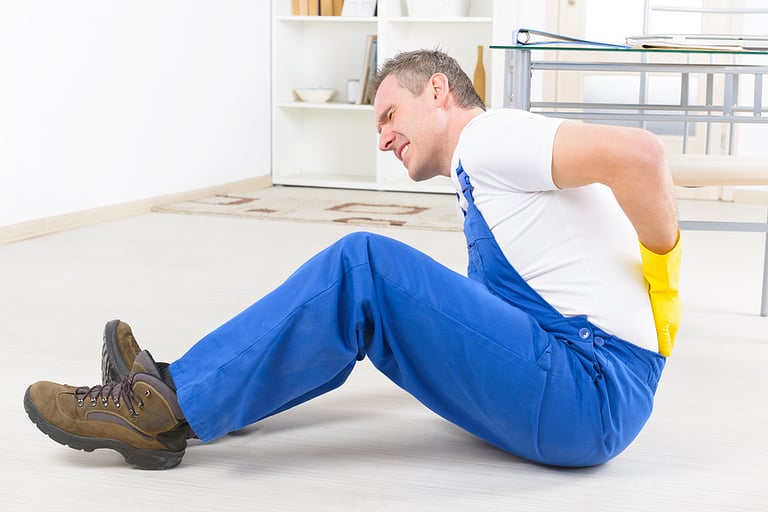
If you have kids, pets, or highly active adults living in your house, you’re going to see far more wear and tear to your furniture and décor. A busy house also introduces a greater risk for injury compared to quieter households. Whether someone trips and falls, bolts down the stairs too fast, or slips on a spill someone forgot to clean up, preventable accidents are more common in active households.
With a few intentional changes to your interior design, you can reduce the risk of injury and protect the long-term durability of your belongings.
Focus on your flooring first
Most falls in the home happen on slippery surfaces. By intentionally choosing your flooring materials, you can make your home safer and more resistant to scratches and other damage.
Hardwood floors have numerous benefits – especially when you have pets – but they can be slippery and should be avoided in high-traffic areas like entryways, kitchens, and bathrooms. Slippery walking surfaces are also a legal risk for your guests and service professionals.
Slip-resistant flooring materials like textured vinyl, plank, cork, rubber, or matte tile offer more traction than stone and hardwood. With these flooring materials, kids are less likely to slip and fall while they’re playing or running through the house. For extra protection, you can even get vinyl specifically rated for higher slip resistance.
If you have small children, you know they’re going to take some falls. To lessen the impact, consider installing rubber flooring or padding where they spend the most time playing. Or designate certain areas as play zones, like part of the family room or a separate bedroom used as a playroom.
Design your layout to avoid collisions
It’s not hard to engineer the layout of your home to avoid collisions. Keep all walkways clear and avoid putting decorative items in narrow hallways or in the middle of high-traffic routes. This will prevent collisions and make it easier to monitor activity across the house. You can change the arrangement of furniture as your kids get older and become more responsible.
Create separate quiet spaces
If you have a reading area, a workspace, or a recliner for relaxing, keep these spaces visibly separate from high-energy zones. This will reduce cross-traffic and protect fragile items like lamps and electronics from impact. You can define these boundaries using bookshelves or furniture to avoid closing off the room. Area rugs can create a nice boundary but are a trip hazard.
Anchor your furniture
Kids are at high risk of being injured by toppling furniture from climbing or pulling on it. These accidents can happen with tall items like dressers and bookshelves, but also televisions and even short pieces of furniture. The best way to avoid this type of injury is to anchor your furniture to the wall.
Choose materials and edges with intention
Furniture-related accidents are common in the home, and that’s why you need to choose materials and edges to prevent serious injuries as much as possible. For example, round tables are better than square or rectangular tables, but you can also get square tables with rounded corners.
For upholstered furniture, go for fabrics that can resist abrasion and will hold up better over time. For instance, if you have a cat that likes to claw your furniture, stain-resistant, tightly woven materials won’t tear as easily.
When choosing furniture, opt for solid construction like solid wood or metal over lightweight, unstable particleboard.
Add better lighting
Poor lighting will contribute to household accidents. It’s worth bringing in a lighting expert to help eliminate the shadows and properly illuminate spaces like staircases, halls, and bathrooms. You can even install lights activated by motion sensors in these spaces to reduce the risk of someone falling at night. Manual light switches might be functional, but sometimes kids won’t bother using them.
Choose a washable wall finish
Even if your kids don’t scribble all over the walls, it’s a smart move to use scrubbable paint or wall panels so you can clean the walls easily.
Add non-slip tread to your stairs
If you have non-carpeted stairs, add textured treads to each step for traction. You can buy grip tape by the roll, or you can buy pre-cut strips for a little more money. To maximize safety, use a contrasting or bright color on each step to support accurate depth perception.
Design your home for real life
Prioritizing function over aesthetics is the foundation for a safe home. You just need furniture made from durable materials, traction on your stairs and floors, and a design that maximizes flow in high-traffic areas.
When you design your home around your actual needs, your space will be safe and enjoyable.
Image Source: BigStockPhoto.com (Licensed)


Share options
Share this content with others