








Adult Loneliness Is a Real Health Issue (And Here’s What’s Actually Helping)
 Story by:
Marc Ikbal
Story by:
Marc Ikbal
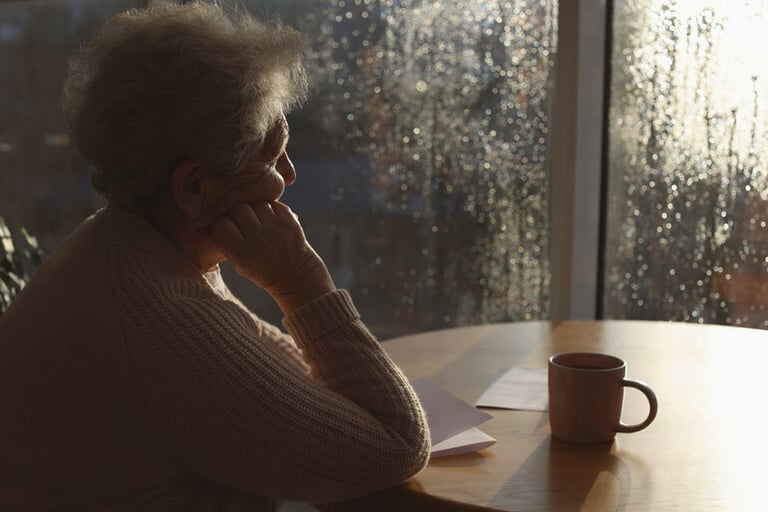
But no, my mother last year reached her prime years, 52! Last year, I had a surprise as I reached 52. Last year, I was shocked when my mother reached 52, too. Her manner of speaking took on a gentler, softer tone, a softer tone than what might be overlooked even. All was the same, except that she had put a bit less into it, into everything, and that there were some truly intriguing things about human nature. Then, she softly stated, “I guess it’s not as busy as before, anyway. I’ve thought about that ever since. The more I talk to people (my neighbors, my aunt, the ladies at the grocery store), the more I think my mom isn’t with others.”
The Surgeon General Actually Said It
You might have seen the headlines a couple of years ago, but it’s worth revisiting. The U.S. Surgeon General issued an advisory on our national loneliness crisis, which has been described as “a public health crisis on par with smoking and obesity.” It highlighted the scientific studies that proved that isolation can result in heart disease, strokes, dementia, depression, and premature death. It is not telling people to “be nice to people.” That’s a warning that loneliness has a direct impact on shortening lives. It ain’t only the grandmas and granddads. Young adults, caregivers, single parents, empty nesters, recent widows, and those who moved for work. The crisis affects all ages. However, it affects older people particularly.
Who’s Hit Hardest
From what I’ve seen and read, a few groups are disproportionately affected:
- Older adults who’ve lost a spouse: The first year of widowhood is brutal, but year three is often harder. The casseroles stop. The telephone ceases to ring. The silence sets in.
- Caregivers: You are the child of a senior citizen who needs care; however, you are busy and lonely at the same time. Caring for a person doesn’t mean talking to him or her.
- Bilingual seniors: They should be mentioned more frequently. You are the person who knows English as a second language, and all your relatives who speak English have died or left. Your contacts in Spanish are scattered around the country, and therefore, you are lonely despite being surrounded by your family members inside your own home.
- Older males: Older males have among the smallest friend groups in the United States. Many depend entirely on their spouses for social contact. Once that spouse is no longer present, the loneliness becomes unbearable.
Low-Tech Solutions That Actually Help
The good news is that the research also tells us what helps us with different experiences. And almost none of it is high-tech.
- Regular phone calls: Scheduled, predictable, short. “Mom, Sundays at 5.” Put it in the calendar.
- Community groups: Church, bible study, senior centers, library book clubs, and knitting circles. Whatever gets your parent or neighbor out of the house once a week.
- Meals with other people: Not delivered meals. Meals eaten with another human at the table.
- Pets: (If you read this blog, you already know.) A dog is not a cure, but it’s a meaningful part of a healthy routine.
- Volunteer work: Purpose is medicine. Even one hour a week at a food pantry or school can reshape a week.
None of this is revolutionary. All of it is true.
A Note on Resources for Bilingual Families
For families like mine, where older relatives are more comfortable in Spanish than English, accessible social connection matters. Community centers, church groups, WhatsApp chats, and phone-based conversation services help people stay connected without complicated apps or sign-up processes. Directories that publish Spanish-language chat line reviews can be genuinely helpful here, not as a replacement for family connection, but as one more way to keep a parent or grandparent engaged during the long stretches between visits. Especially for older adults who no longer drive, a simple phone call from a familiar voice can make a real difference in a week.
What I’m Trying Now
With my mom, I’m starting small. Sunday afternoon calls, like clockwork. A standing Tuesday lunch at her favorite diner when I can swing it. A WhatsApp group with my cousins so that she gets Spanish daily, even if it’s through a voice note from my tía. Librarian volunteer position she’s testing out next month. All these cannot offer a perfect solution; however, they are a wake-up call about the importance of that small connection with a person to stronger connections. In a technological era, where there are so many new inventions and great things happening around us, it becomes clear that some of the simplest things, like a simple call of five minutes, highlight the best of humans.





Share options
Share this content with others